


 Back to all blogs
Air Purifier vs Humidifier: Which Device Is Right for You?
Updated October 2026 · Reviewed for safety and accuracy by the Lively Living team
Air purifier or humidifier? They're often mentioned in the same breath, but they do opposite jobs. An air purifier takes things out of the air, like dust, pollen and smoke. A humidifier adds something in: moisture. Knowing which problem you're solving makes the choice easy. This guide explains how each one works, which suits allergies, dry air or a stuffy nose, and how to use both together.
Table of Contents:
- What does an air purifier do?
- What does a humidifier do?
- Air purifier vs humidifier at a glance
- Which one for your situation?
- Using both together
- Frequently asked questions
What does an air purifier do?
An air purifier draws in room air and passes it through filters that capture particles such as dust, pollen, pet dander and smoke. HEPA filters trap very fine particles, and activated carbon filters reduce odours. Some purifiers add other technologies, such as UV light.
An air purifier doesn't change the humidity. It's all about removing particles from the air.
When an air purifier makes sense
- You or your family have hay fever or dust allergies.
- You have pets that shed.
- Bushfire smoke, traffic or nearby building work affects your air.
- You want to cut down on dust and cooking smells.
Our Safe Air Purifier combines air purifying with a sterilisation mode and a humidifier function.
What does a humidifier do?
A humidifier turns water into a fine mist to add moisture to dry air. Cool mist (ultrasonic) humidifiers are quiet and use no heat, making them the safer choice around children and pets. Warm mist humidifiers boil water and can be a burn risk.
When a humidifier makes sense
- Your skin, lips or eyes feel dry, especially in winter or with air conditioning.
- You wake with a dry, scratchy throat or stuffy nose.
- Someone in the house has a cold and you want to keep their room comfortable.
- Your hygrometer reads below about 30% humidity.
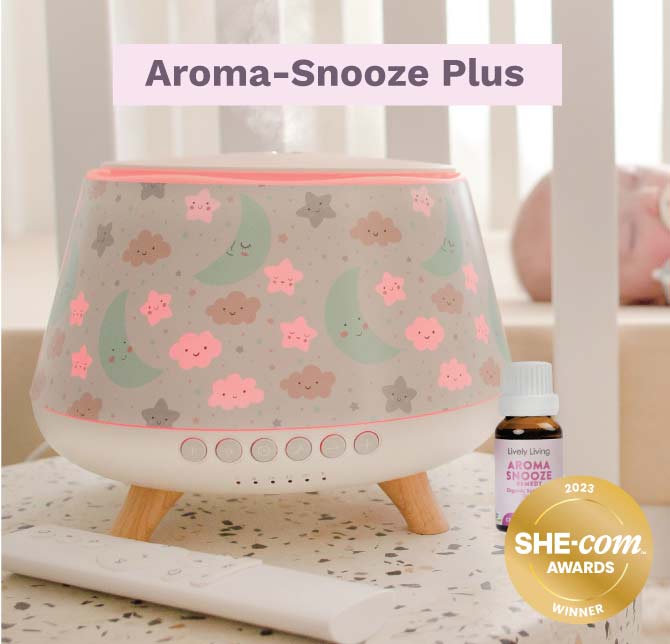
Our Aroma-Haven Humidifier Diffuser has a 1.8 litre tank and a humidistat to keep humidity comfortable, and for the nursery, the Aroma-Snooze Plus combines a cool mist humidifier with soothing sounds and a red night light. Read the 10 benefits of a humidifier for more.
Air purifier vs humidifier at a glance
| Feature | Air purifier | Humidifier |
|---|---|---|
| Main job | Removes particles | Adds moisture |
| Targets | Dust, pollen, pet dander, smoke, odours | Dry air |
| People notice | Less dust, fewer allergy triggers in the air | More comfortable skin, nose and throat |
| Technology | HEPA and carbon filters | Cool mist (ultrasonic) or warm mist |
| Upkeep | Replace filters as recommended | Empty and clean the tank regularly |
Which one for your situation?
Allergies and hay fever
An air purifier is the better choice, because it captures pollen, dust and pet dander from the air. Keep humidity moderate (30 to 50%), since damp air encourages dust mites and mould. Our guide to hay fever season has more tips for a low-pollen home.
Asthma
Reducing airborne triggers can be helpful, but very damp air can encourage mould. Talk to your GP about what suits your asthma, and keep any humidifier spotless.
Colds and a stuffy nose
A humidifier is usually the better choice. Moist air stops a stuffy nose and scratchy throat from drying out, which can make nights more comfortable. A humidifier won't cure a cold, though. Read does a humidifier help with a snotty nose?
Dry skin and lips
A humidifier, especially in the bedroom overnight.
Smoke and dust
An air purifier with a HEPA and carbon filter.
Using both together
Many homes benefit from both: the purifier cleans the air, and the humidifier keeps it comfortable. A few tips:
- Place them apart so the humidifier's mist doesn't dampen the purifier's filter.
- Keep humidity between about 30 and 50%.
- Clean the humidifier tank regularly and replace purifier filters as recommended. A neglected device can make air quality worse, not better.
- Follow each device's instructions on the type of water and filters to use.
Comparing humidifiers with diffusers too? Our guide to diffusers vs vaporisers vs humidifiers covers the differences.
Frequently asked questions
Which is better, a humidifier or an air purifier?
Neither is better overall. They solve different problems. Choose an air purifier for dust, pollen, pet hair and smoke, and a humidifier for dry air.
Is a humidifier or purifier better for a stuffy nose?
A humidifier is usually better for a cold, because moist air keeps the nose from drying out. If allergies are behind the stuffiness, an air purifier may make more difference.
What are the downsides of an air purifier?
Most have filters that need replacing, which is an ongoing cost, and some can be noisy on high settings. Choose Lively Livings Safe Air Purifier as its technology does not use a filter.
Can I sleep with an air purifier and humidifier on?
Yes. Many people run both overnight. Keep them apart, keep the humidity moderate and keep both clean.
Clean air and comfortable humidity go hand in hand. Work out which problem you're solving first, and you'll know which device to choose, or whether you'd benefit from both.
Related reading
- 10 benefits of a humidifier for your home
- Diffuser vs vaporiser vs humidifier: what's the difference?
- Does a humidifier help with a snotty nose?
- Essential oil diffuser guide for beginners
Yours in health and happiness
Julie and the Lively Living team


