

 Back to all blogs
Newborn Essentials Checklist: What You Actually Need (Australia)
Walk into any baby store and you'll be told you need everything. You don't. Newborns need somewhere safe to sleep, something to eat, clean nappies and a lot of cuddles. Almost everything else can wait until you've met your baby and know what you're dealing with.
This is the short, honest list. It's written for Australian parents, it skips the gimmicks, and it's in the order you'll actually need things.
The checklist at a glance
| Area | The essentials |
|---|---|
| Sleep | Cot or bassinet, firm well-fitting mattress, 2 waterproof protectors, 3 to 5 fitted sheets, 3 to 4 baby sleeping bags or wraps |
| Feeding | 8 to 12 burp cloths or muslins, a few bibs, plus breastfeeding or bottle supplies (below) |
| Nappies | Newborn nappies (not too many), unscented wipes, barrier cream, change mat |
| Bath | Baby bath, soft washcloths, mild baby wash, 2 to 3 hooded towels |
| Clothes | 5 to 8 bodysuits, 5 to 8 zip-up sleepsuits, socks, a hat for the season |
| Out and about | Rear-facing car seat (must be fitted before birth), pram, nappy bag |
| Health | Cool mist humidifier, digital thermometer, nasal aspirator, saline drops, baby nail clippers, first aid kit |
1. A safe place to sleep
If you only get one thing right before the birth, make it this. Your baby will sleep up to 17 hours a day, so the sleep space matters more than anything else on the list.
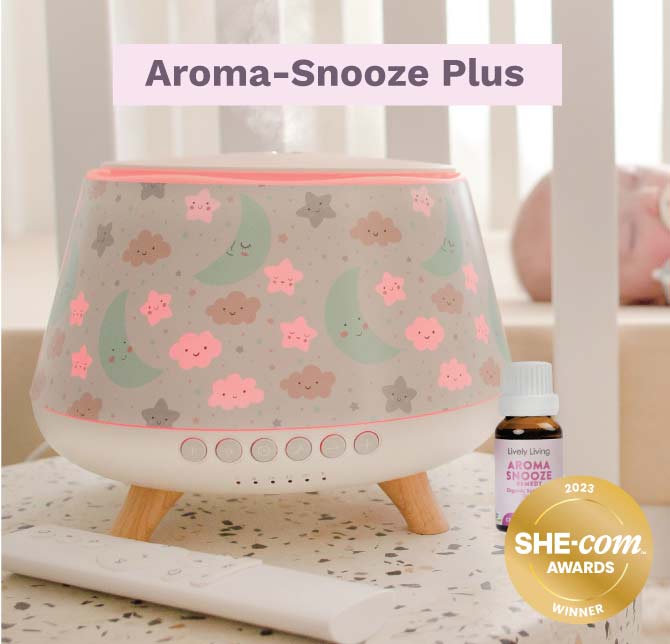
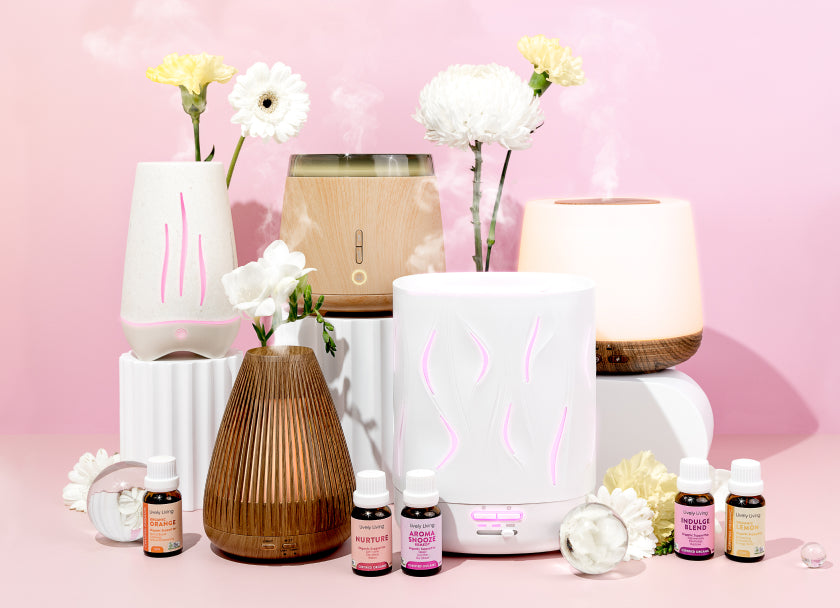
Humidifier. A cool mist humidifier like the Aroma-Snooze Plus will help your child breathe and sleep better, as the air can get very dry from air conditioners.
Cot or bassinet. A bassinet in your room is handy for the early weeks of night feeds. A cot lasts for years. Whichever you choose, look for one that meets the Australian Standard for cots (AS/NZS 2172), and check second-hand cots carefully before using them.
Mattress. Firm, flat and the right size, with no gap wider than two fingers between the mattress and the sides.
Bedding. Two waterproof mattress protectors and 3 to 5 fitted sheets mean there's always a clean set ready at 2am. Skip the bumpers, pillows, quilts and soft toys. Instead, use a safe baby sleeping bag or wrap.
Red Nose recommends putting your baby to sleep on their back, with their face and head uncovered, in a safe cot in your room for the first six to twelve months. Their website, rednose.org.au, is the best place to check the latest safe sleep advice.
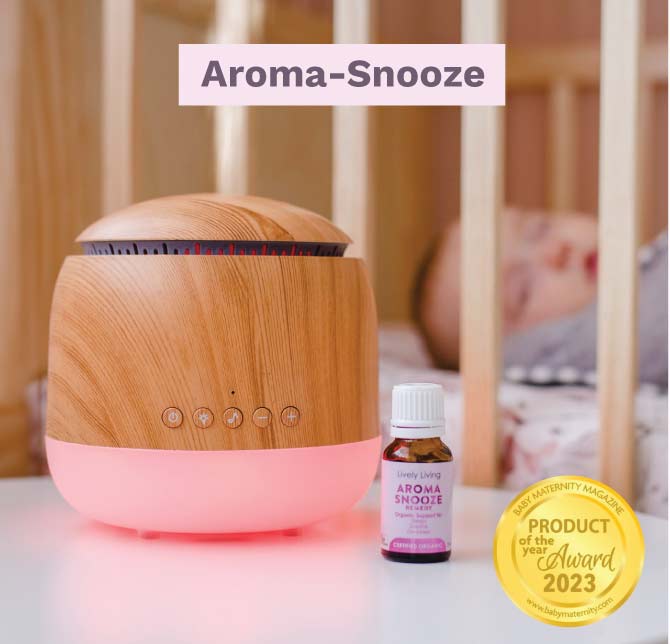
The room itself. A calm, consistent sleep space makes settling easier for everyone. Many parents use a cool mist humidifier through winter or in air-conditioned rooms, along with a soft night light and steady background sound. The Aroma-Snooze combines all three in one device, and it won Gold for Best Nursery Product at the Mum Central Awards 2026. Keep any device and its cord well out of reach of the cot.
2. Feeding
However you feed your baby, you'll need a pile of burp cloths. Muslin wraps do double duty as burp cloths, sun shades and swaddles, so buy more than you think.
If you're breastfeeding: a feeding pillow, 3 to 5 comfortable feeding bras, breast pads and nipple cream. A pump is worth having even if you plan to breastfeed exclusively, so your partner can take a night feed.
If you're bottle feeding: start with 4 to 6 bottles and try one teat style before buying more, because babies can be fussy. Add a bottle brush and a drying rack. A steriliser is a convenience, not a must. Never warm milk or formula in the microwave.
Not sure which formula to use? Ask your child health nurse or GP.
3. Nappies
Newborns can go through 8 to 12 nappies a day, but they outgrow the newborn size fast. Buy one or two packs and have the next size ready. Add unscented wipes, a zinc-based barrier cream and a change mat on a sturdy surface. A dedicated change table is nice but a mat on top of a dresser works just as well. Keep one hand on your baby at all times.
Using cloth nappies? You'll also need covers, inserts and a wet bag for outings.
4. Bath time
Until the umbilical cord stump falls off, a gentle sponge bath is all your baby needs. After that, a small baby bath is easier on your back than the big tub.
The water should be warm, not hot: around 37 to 38°C. Test it with your wrist or elbow, and never leave your baby alone in the bath, even for a second. Newborns don't need soap every day. Warm water and a soft washcloth are often enough, with a mild, fragrance-free baby wash when you need it. Hooded towels keep their head warm afterwards.
5. Clothes
Tiny clothes are hard to resist, but your baby will grow out of the newborn size in weeks. Focus on easy changes and soft fabrics:
- 5 to 8 bodysuits, a mix of short and long sleeves
- 5 to 8 zip-up sleepsuits (zips beat snaps at 3am)
- A few pairs of socks
- A sun hat or beanie, depending on the season
Avoid drawstrings and small decorative buttons. Dress your baby in roughly one more layer than you're wearing, and take off hats and outer layers indoors and in the car so they don't overheat. Wash everything first in a gentle, fragrance-free detergent.
6. Getting out and about
Car seat. This is the one item you can't leave until later. Your baby needs a rear-facing restraint that meets the Australian Standard (AS/NZS 1754) for the drive home. Have it fitted before your due date, ideally by an authorised restraint fitter, and read both the seat and car manuals.
Pram. Think about where you'll actually use it: city footpaths, beach tracks or in and out of the boot. Try the fold in the shop before you buy.
Carrier. Optional, but many babies settle best when they're held close. Choose one that supports your baby's hips in a wide "M" position.
Nappy bag. Keep it packed with nappies, wipes, a change mat, a spare outfit, a muslin and feeding supplies.
7. Health and first aid
Digital thermometer. Ask your GP or child health nurse which method suits your baby's age. If your baby is under three months and their temperature is 38°C or higher, see a doctor.
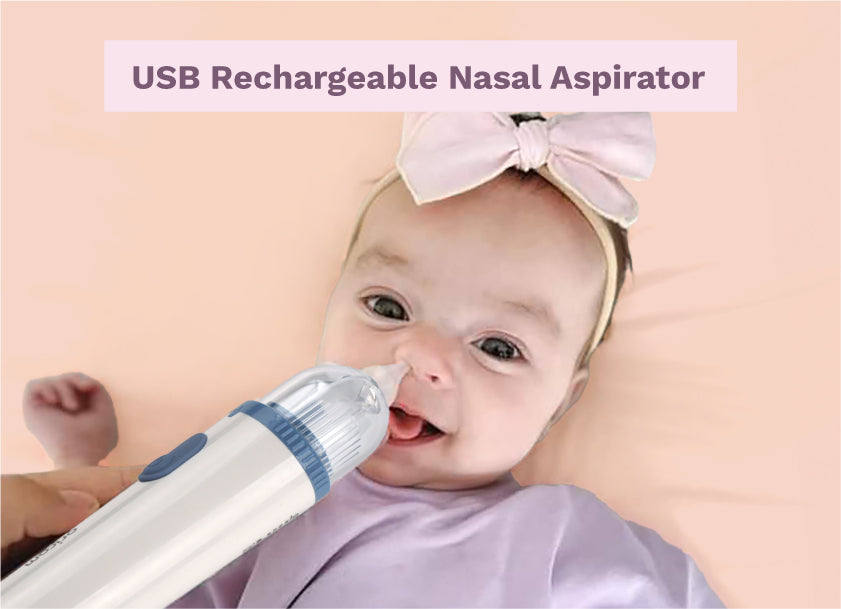
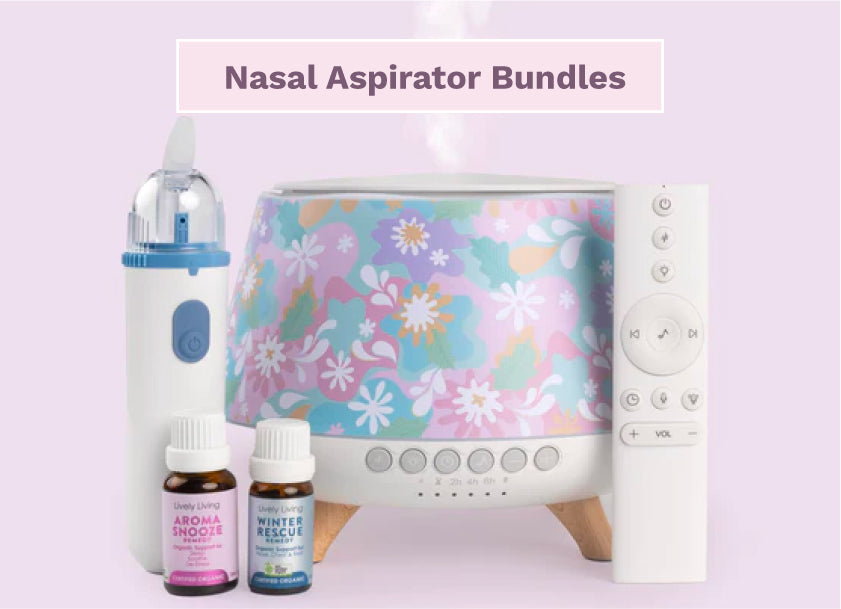
Nasal aspirator and saline drops. Babies can't blow their noses, and a blocked nose makes feeding and sleeping hard work. A few saline drops loosen things up first. A rechargeable nasal aspirator is far less fiddly than a bulb syringe.
Baby nail clippers or a soft file. Baby nails are surprisingly sharp. Trimming them while your baby sleeps is often easiest.
First aid kit. Ask your pharmacist what to keep on hand for a baby, and always check with them or your GP before giving any medicine.
Numbers to save in your phone: Poisons Information Centre 13 11 26, healthdirect 1800 022 222 (24 hours), and your local child health nurse. In an emergency, call 000.
What you can skip (for now)
- Cot bumpers, pillows and quilts (not safe for sleep)
- Wipe warmers and bottle prep machines
- Shoes, before your baby is walking
- A full newborn wardrobe in one size
- Most toys: your face is your baby's favourite thing to look at
Quick questions
When should I start buying baby essentials?
Most parents start around the second trimester and aim to have the car seat fitted and the sleep space ready by 36 weeks. Everything else can be picked up as you go.
How many newborn nappies do I need?
One or two packs of the newborn size is plenty. Babies move up a size quickly, so keep the receipt and have the next size on hand.
Do I need a humidifier for my baby's room?
It's not essential, but many parents find one useful in dry or air-conditioned rooms, especially through winter. Choose a cool mist model, clean it regularly and keep it out of reach of the cot.
Congratulations, and enjoy these weeks. You don't need everything. You just need the right few things, and a lot of rest while you can get it.


