








 Back to all blogs
Essential Oil Rituals for Better Sleep: A Guide
Ever lie in bed staring at the ceiling, mind racing, wishing sleep would just come already?
You're not alone. More than 1 in 3 adults deal with poor sleep, and that can drag down mood, focus, sleep health, and energy levels.
The good news is that rituals for better sleep can change your evenings. A steady bedtime routine gives your brain and body clear signals that it's time to slow down and prepare for a good night's sleep.
Sleep affects far more than whether you feel tired the next day. It shapes your circadian rhythm, melatonin production, immune function, and the odds of getting the restful sleep your body needs.
These habits do not need to be complicated. A simple nighttime ritual done on a regular basis can help you fall asleep faster, support healthy sleep, and improve sleep quality over time.
Table of Contents:
- Why Nighttime Rituals Actually Matter
- Simple Rituals That Actually Help You Sleep
- Building Your Personal Sleep Ritual
- What to Avoid Before Bed
- How Long Until You See Results
- Making It Stick
- Conclusion
Why Nighttime Rituals Actually Matter
Your brain likes patterns. When you follow the same bedtime routines each night, your body learns that the day is ending and sleep is next.
That matters because your circadian rhythm works best with consistency. If your body time shifts all over the place, it can become harder to fall asleep and move smoothly through the stages sleep depends on.
A good nighttime routine also helps relieve stress. Without a buffer between a busy evening and bed, your mind may still act like it needs to solve problems, scroll social media, or react to targeted advertising and alerts from electronic devices.
That mental overstimulation can delay falling asleep. Over time, irregular sleep habits may hurt sleep quality and lead to a night's sleep that feels too short or too light.
Simple Rituals That Actually Help You Sleep
Here are practical sleep tips you can start using tonight. Keep your bedtime routine simple so it feels realistic and easy to repeat.
Set a Consistent Bedtime
Going to bed at the same time each night is one of the strongest ways to improve sleep. It trains your sleep cycle and helps your body expect rest at the same hour.
Choose a bedtime that gives you seven to nine hours in bed. If possible, sleep earlier rather than trying to catch up later on weekends.
Ditch the Screens
Blue light from phones, tablets, and TVs can interfere with melatonin production. That makes it harder to feel sleepy when your head hits the pillow.
Try stepping away from electronic devices 30 to 60 minutes before bed. If you must use your phone, turn on a red-light filter or your phone's red-light filter to cut some of the harsh light.
Swapping social media for a good book is often a big upgrade for good sleep. You can also listen to calm audio, stretch, or prep for bed instead.
Take a Warm Bath or Shower
A warm bath or shower can help because of body temperature changes. After you warm up and then cool down, your body gets a cue that sleep is near.
This simple step can help you fall asleep faster. It also feels relaxing, which makes it easier to let go of the day.
Write Things Down
If your thoughts keep racing, try making to-do lists before bed. Writing a short to-do list can clear mental clutter and reduce bedtime worry.
Research in experimental psychology has found that people who wrote to-do lists often fell asleep sooner. Keep a notebook nearby and jot down tasks, reminders, or anything you do not want to carry into bed.
Practice Gratitude
A gratitude list can shift your attention away from stress. That small mindset change may support better sleep quality.
Write down three good things from the day. This can pair well with to-do lists, giving your brain both closure and calm.
Try Gentle Movement
Gentle stretching, a short yoga practice, or other relaxation techniques can lower tension before bed. Keep the pace easy so you do not spike your heart rate.
Simple breathing exercises during movement can make the routine more calming. Deep breathing tells your nervous system it is safe to settle down.
Meditate for a Few Minutes
Mindfulness meditation does not need to take long. Even five minutes of a regular meditation practice can help reduce mental chatter.
You can try box breathing, regular meditation, or progressive muscle relaxation. Progressive muscle relaxation works by tightening and releasing muscle groups one by one, which can ease muscle relaxation through the whole body.
Many people use a meditation practice as part of their bedtime routines because it helps induce sleep. With time, regular meditation practice may make it easier to relax at night on a regular basis.
Create Your Sleep Sanctuary
Your bedroom can either support or block quality sleep. A cool, dark, quiet room helps many people improve sleep quality.
Keep the room around 16°C to 19°C if that feels comfortable to you. Lower noise, dim the lights, and remove distractions that make your brain stay alert.
If sound is a problem, white noise or pink noise may help. These steady sounds can cover traffic, neighbours, or other interruptions that break restful sleep.
| Sleep ritual | Why it helps | Easy way to start |
|---|---|---|
| Consistent bedtime | Supports circadian rhythm and sleep cycle. | Pick one bedtime and keep it most nights. |
| Screen break | Reduces blue light before bed. | Stop scrolling 30 minutes before sleep. |
| Warm bath | Helps body temperature shift for sleep. | Take a 10 to 20 minute soak or shower. |
| To-do list | Clears racing thoughts. | Write tomorrow's top three tasks. |
| Herbal tea | Creates a calming bedtime ritual. | Try bedtime tea or sleepytime tea. |
| Meditation | Helps relieve stress and quiet the mind. | Practice five minutes of deep breathing. |
Use Essential Oils
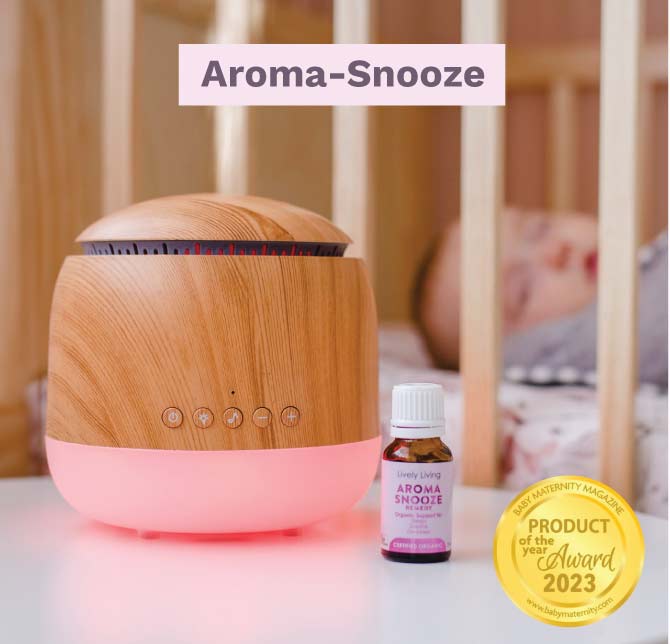
An essential oil can add a calming sensory cue to your nighttime ritual. Lavender, chamomile, and frankincense are common picks.
You can diffuse an essential oil, add it near a warm bath, or use a diluted blend on pulse points. Keep it simple and use scents that genuinely help you feel relaxing, not overwhelmed.
Add a Light Drink or Snack if Needed
A cup of herbal tea can be a comforting part of a bedtime routine. Bedtime tea, sleepytime tea, and other herbal teas are popular because they help mark the shift from daytime activity to rest.
If you are hungry, keep snacks small and light. Heavy meals close to bed can worsen poor sleep and make a good night's sleep harder to get.
Building Your Personal Sleep Ritual
Start small and build from there. Pick one or two habits that fit your life, such as a to-do list, herbal tea, or brushing your teeth at the same time every night.
You do not need a perfect routine for good sleep. What matters most is consistency and finding a bedtime routine you can repeat without much effort.
If you like apps, timers, or calming soundtracks, use them in a way that helps rather than distracts. Some people even use sleep sounds or guided breathing from apps on Google Play, then put the phone face down with the phone's red-light filter turned on.
What to Avoid Before Bed
Some habits work against healthy sleep. Cutting them back can improve sleep almost as much as adding calming rituals.
- Skip caffeine late in the day.
- Avoid heavy meals close to bedtime.
- Limit alcohol if it affects your sleep quality.
- Keep intense workouts earlier in the day.
- Reduce social media and other stimulating screen time.
If you struggle for weeks despite solid sleep habits, talk with a sleep expert or doctor. Ongoing sleep disorders may need more support from a trusted source in health care.
How Long Until You See Results
Some people notice change within days. For others, it takes a few weeks before they start falling asleep more easily.
Give your new habits time to stick. As your body learns the pattern, your bedtime routines can become more automatic and support better sleep over the long run.
Track simple signs of progress, such as whether you fall asleep faster, wake less during the night, or feel better in the morning. Small gains often lead to stronger sleep quality over time.
Making It Stick
Link your nighttime ritual to actions you already do, such as brush teeth, wash your face, or set out clothes for the next day. That makes the routine easier to remember.
Keep supplies visible. Place your journal on the nightstand, set out your bedtime tea, and keep your diffuser ready if you use essential oil.
On busy nights, do a shorter version rather than skipping it completely. A five-minute wind-down still helps tell your brain it's time for sleep.
Conclusion
Rituals for better sleep work because they give your body a steady path from activity to rest. A consistent bedtime routine, fewer screens, calming relaxation techniques, and a sleep-friendly bedroom can all improve sleep in practical ways.
You do not need a long checklist full of checkbox label, checkbox label label, or label label tasks to get results. A few simple habits done regularly can support restful sleep, better energy levels, and a much better night's sleep.
Start tonight with one small step, then build on it. Over time, your nighttime routine can help you fall asleep, sleep more deeply, and wake up feeling ready for the day.


