




 Back to all blogs
Vetiver Essential Oil: Everything You Need to Know
Updated October 2026 · Reviewed for safety and accuracy by the Lively Living team
Vetiver is one of those oils people either fall for straight away or grow to love. Deep, earthy and a little smoky, it smells like rain on warm soil, and it brings a grounded, settled feel to any room. This guide brings together everything we're asked most about vetiver essential oil: where it comes from, how people use it, the best oils to blend it with and how to use it safely.
Table of Contents:
- What is vetiver essential oil?
- The scent of vetiver
- How people use vetiver
- How to use vetiver essential oil
- Oils that blend well with vetiver
- Vetiver essential oil safety
- Choosing quality vetiver oil
- Frequently asked questions
What is vetiver essential oil?
Vetiver essential oil, sometimes called khus oil, comes from the roots of the vetiver plant (Chrysopogon zizanioides, previously known as Vetiveria zizanioides). Vetiver is a tall, clumping grass from the same family as lemongrass and citronella. It's native to India and is now grown in tropical regions around the world, including Haiti, Java and Réunion.
Unlike most grasses, vetiver grows its roots straight down, sometimes as deep as three to four metres. Farmers plant it to hold soil together and stop erosion, and it's these dense, fibrous roots that hold the oil. The roots are cleaned, dried, soaked and then steam distilled, often for many hours, to produce a thick, amber to olive coloured oil.

The scent of vetiver
Vetiver is a base note, which means its aroma is heavy, slow to evaporate and lingers long after lighter oils have faded. It's woody, earthy and slightly sweet, with a smoky edge. On its own it can feel quite strong, so most people use just a drop or two, or blend it with brighter oils that lift it.
Because it lasts so well, vetiver is a favourite in natural perfumery. It anchors a blend and gives lighter citrus and floral notes something to rest on.
How people use vetiver
Evenings and winding down
Vetiver's grounding scent makes it a popular choice for the end of the day. Many people diffuse it in the lounge room once the busy part of the evening is over, or add it to a relaxing bedtime routine alongside a warm shower, dim lights and a book. If you enjoy a calm, settled feel at night, it's well worth trying.

A bedtime routine
Try diffusing vetiver with lavender in the bedroom for 30 minutes before bed. A simple scent that you use every night becomes part of the cue that it's time to wind down. Our Calm & Unwind blend already pairs vetiver with lavender, chamomile, bergamot, sweet orange and patchouli.
Focus and study time
It may seem surprising for such a calming oil, but plenty of people like vetiver at their desk too. Its steady, grounding aroma suits long stretches of study or work. Blend a drop with a fresher oil like rosemary or lemon in your diffuser for a scent that feels both settled and clear.
Skincare and natural perfume
Diluted in a carrier oil, vetiver is used in face oils, body oils and roll-on perfumes. Its rich scent pairs beautifully with rose, sandalwood and citrus. Always dilute it first and patch test (see the safety section below).
Outdoor living
Vetiver is one of the oils people traditionally use in outdoor blends with citronella and lemongrass for evenings on the deck. If you're out in mosquito country, especially where dengue or Ross River virus are about, use a registered insect repellent and follow healthdirect's advice on mosquito bites.
How to use vetiver essential oil
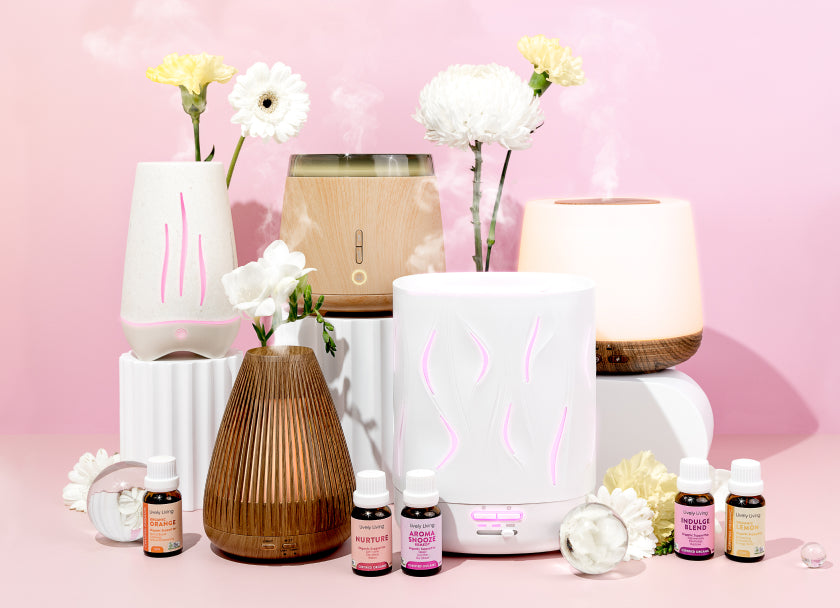
In a diffuser. Add 2 to 3 drops of vetiver to the water in an ultrasonic diffuser, or 1 drop of vetiver with 3 to 4 drops of a lighter oil. Because vetiver is so thick, warm the bottle in your hands for a minute and hold it upside down for a moment to let the drops come out. Find a diffuser that suits your space in our diffuser range.
In a roller bottle. For a 10ml roller, add 2 drops of essential oil for a gentle 1% blend (best for the face and sensitive skin), or up to 6 drops for a 3% blend for the body. Top up with a carrier oil such as fractionated coconut oil or jojoba, then roll onto the wrists, chest or back of the neck.
In the bath. Essential oils don't mix with water, so mix 3 to 5 drops into a tablespoon of carrier oil, full cream milk or unscented bath gel before adding it to a warm bath.
As a natural perfume. Use vetiver as the base of your own roll-on scent. Start with 1 drop of vetiver, 2 drops of a floral such as lavender or geranium and 3 drops of a citrus such as bergamot or sweet orange in a 10ml roller of carrier oil.
Oils that blend well with vetiver
- Lavender: soft and floral, a classic evening pairing
- Bergamot and sweet orange: bright citrus that lifts vetiver's depth
- Sandalwood and cedarwood: for a warm, woody blend
- Patchouli: earthy and rich, for those who love deep scents
- Rose and geranium: for a floral natural perfume
- Rosemary and lemon: for a fresher desk blend
Here's a simple evening diffuser blend to try: 1 drop vetiver, 3 drops lavender and 2 drops sweet orange.
Vetiver essential oil safety
Vetiver is considered one of the gentler essential oils, but like all essential oils it's highly concentrated and needs a little care.
- Always dilute vetiver in a carrier oil before it touches your skin, and do a patch test on your inner arm 24 hours before using a new blend.
- Keep it away from your eyes, and never swallow essential oils.
- If you're pregnant, breastfeeding, have a health condition or take medication, check with your GP or midwife before using essential oils.
- For children, choose blends made for little ones, such as our Sensitive Child blend, follow the label and diffuse rather than applying to skin.
- Diffuse in a well-ventilated room and give pets a way to leave. Our guide to essential oils and pets has more.
- Store bottles closed and out of reach of children. If an essential oil is swallowed, call the Poisons Information Centre on 13 11 26, any time of day or night.
Better Health Channel has more general information on using aromatherapy safely.
Choosing quality vetiver oil
Because vetiver takes so long to distil, it's one of the more expensive essential oils, and that makes it a target for cheap blends and fillers. A few things to look for:
- The botanical name (Chrysopogon zizanioides or Vetiveria zizanioides) on the label
- A thick, slow-pouring oil with an amber to olive colour
- Certified organic, so you know how the plants were grown and that nothing has been added
- A dark glass bottle to protect the oil from light
Our Vetiver Certified Organic Essential Oil comes from Lively Living, one of Australia's largest ranges of ACO Certified Organic essential oils. You'll also find vetiver in our Calm & Unwind, Love Potion and Sensitive Child blends.
Frequently asked questions
What does vetiver smell like?
Earthy, woody and smoky with a hint of sweetness. Many people say it reminds them of damp soil after rain. It's strong, so start with a single drop.
Why is my vetiver oil so thick?
That's normal. Vetiver is one of the thickest essential oils because of the heavy aroma compounds in the roots. Warm the bottle in your hands to help it flow.
Can I diffuse vetiver at night?
Yes. It's one of the most popular oils for evenings. Diffuse for around 30 minutes before bed, or choose a diffuser with a timer so it switches off on its own.
Can I put vetiver oil straight on my skin?
No. Always dilute vetiver in a carrier oil first, and patch test before using a new blend.
Is vetiver the same as khus?
Yes. Khus is the traditional name for vetiver in India, where the roots have been woven into cooling mats and screens for centuries.
With its deep, comforting scent, a little vetiver goes a long way. Start with a drop, find the blends you love, and enjoy bringing a calm, grounded feel to your home.
Yours in health and happiness
Julie and the Lively Living team


