


 Back to all blogs
Exploring Certified Organic vs. Standard Essential Oils
You are standing in the health aisle holding two small bottles. Both labels say 'Lavender Essential Oil,' but one bottle costs three times as much as the other. It makes you pause and wonder why there is such a huge price gap.
Is the expensive one actually better, or is it just fancy marketing? This is where many people get stuck. You want the best for your family and want to avoid toxins.
But you also do not want to waste money. This guide is here to fix that confusion. You are about to learn exactly what separates the two options.
We will break down farming methods and how the oils get made. We will look at how the difference affects your health. By the end, you will know exactly which bottle to choose.
We are answering the big question: Certified Organic vs. Standard Essential Oils — What's the Difference? used in this industry? Get ready to become an expert on oil labels.
Table of Contents:
- The Core of the Problem: Certified Organic vs. Standard Essential Oils — What's the Difference?
- Extraction: How the Oil Gets Out
- Comparing Is Natural
-
The Smell Test: Can You Tell?
- Reading the Labels
- The Health Factor: Why It Matters for Sleep and Stress
- The Cost: Why Is It More Expensive?
- What About 'Wildcrafted' Oils?
- Purity Reports and Science
- Making the Transition
- Understanding the Label: Summary Checklist
- The Bottom Line on Purity
- Conclusion
The Core of the Problem: Certified Organic vs. Standard Essential Oils — What's the Difference?
Let's start with the basics. An essential oil comes from a plant, which seems simple enough. But the journey from the soil to the bottle changes everything.
Think about the fruit you buy at the grocery store. You can buy a standard apple, or you can buy an organic apple. They look the same on the outside.
Inside, however, the story is quite different. The same logic applies to essential oils organic products. When we ask this question, we are asking about purity.
We are asking about the history of the plant. A standard oil comes from a conventionally farmed plant. These plants often grow in huge commercial fields.
Farmers use synthetic fertilisers to make them grow fast. They use chemical pesticides to keep bugs away. This makes the farming cheaper.
It yields a bigger crop. But it leaves traces behind in non-organic essential oils. A certified organic oil is different.
It comes from a plant grown without those synthetic chemicals. The soil must be clean. The production practices must protect the environment.
It is a slower process. But many believe it creates a superior, pure essential oil. It represents the gold standard of oil quality.
Why Farming Methods Matter
You might wonder if farming really changes the oil. After all, the oil is extracted from the plant. Shouldn't that leave the chemicals behind?
Sadly, that is not always true. Research suggests that pesticide residue can end up in the final oil. The American College of Healthcare Sciences highlights a worrying reality about this.
They found that standard oils may still contain toxic pesticides or fungicides. These toxins do not just disappear. They can concentrate in the oil during the production process.
Think about how potent essential oils are. It takes huge amounts of raw materials to make a tiny bottle. If those plants have pesticides on them, you are concentrating those chemicals too.
That is a scary thought for anyone wanting to use oils safely. When you diffuse an oil, you breathe it in. It enters your bloodstream.
If you use conventional oils, you might be breathing in tiny amounts of bug spray. That is not what you signed up for.
The Role of Soil Health
Good oil starts with good dirt. It sounds funny, but it is true. Organic farming focuses heavily on soil quality.
Farmers rotate crops to keep the soil rich. They use natural compost instead of blue chemical pellets. This produces a healthy plant grown organically.
A healthy plant produces strong oil. The chemical composition of the oil can change based on the soil. Standard farming often depletes the soil.
This forces the plant to rely on synthetic food. It makes the plant lazy in a way. Organic plants have to work harder.
They often produce more protective compounds. These compounds are often the same ones that smell good to us. This results in a high quality product.
Extraction: How the Oil Gets Out
The differences do not stop at the farm. The way essential oil companies extract the oil matters too. There are a few ways to get oil out of a plant.
Steam distillation is the most common for pure essential oils. This involves using gentle steam to open the plant fibres. The oil floats up with the steam.
It is clean and pure. But some standard manufacturers cut corners. They might use chemical solvents to pull the oil out.
Common solvents include hexane or other petroleum products. This is faster. It gets more oil out of the plant.
But again, it leaves a residue. A standard oil might claim to be 'pure'. But if it was pulled out with chemicals, is it really pure?
The organic certification process usually forbids these harsh solvents. They need physical extraction methods. This usually means steam distillation or cold-pressed oils.
Cold pressing is typically used for organic citrus oils. This guarantees that no weird chemicals touch the oil. You are getting the essence of the plant.
Nothing more, nothing less. This connects back to our core values. We care deeply about how these products affect you.
You can read more about essential oils and our approach to purity. It is about transparency.
Comparing Is Natural
It can feel overwhelming to learn all this. We are used to comparing things in our daily lives. In the digital world, people constantly ask technical questions.
They want to know the best way to do things. For example, business owners constantly debate marketing strategies. They look at data regarding spending habits to decide on budgets.
The details matter there, and they matter here. Even tech experts spend time comparing tools. They look at privacy tools and ask questions about security.
We see this in coding circles too. New students often compare programming languages to find the best fit. So it makes sense that you want that same clarity for your health.
You want to know if the extra money is worth it. When it comes to your body, the stakes are higher than choosing software. You only get one body.
The Smell Test: Can You Tell?
Does organic essential oil smell different? Many experts say yes. It often smells more complex.
Standard oils can smell 'flat'. They might have a strong top note but fade quickly. Sometimes they smell a bit chemical.
Organic oils tend to be rounder. You can smell different layers of the plant. It feels more alive.
This is because the plant was allowed to grow naturally. It developed a full spectrum of chemicals. Of course, this is subjective.
Not everyone has a trained nose. But once you smell the real deal, it is hard to go back. Scientific analysis backs this up too.
A study published regarding essential oils isolation showed the complexity of these compounds. Variations happen naturally. But standard farming forces uniformity.
Organic farming embraces the wildness of nature. Take Rosemary as an example. It should smell herbaceous and crisp.
It wakes up your mind. If you compare a standard version to a certified organic Rosemary, you will notice the organic one lingers longer. The standard one might disappear from the air quickly.
Comparison of Oil Types
| Feature | Certified Organic Oils | Standard / Conventional Essential Oils |
|---|---|---|
| Farming Method | Natural methods, no synthetic chemicals. | Industrial farming, synthetic fertilisers. |
| Pest Control | Natural predators, companion planting. | Synthetic pesticides and herbicides. |
| Extraction | Steam distillation or cold-pressed. | Steam, or potentially chemical solvents. |
| Purity | Verified by third-party checks. | Variable; risk of pesticide residues. |
Reading the Labels
So, how do you spot the good stuff? You have to look for the logo. The label 'Organic' is not enough.
In many places, that word is loosely regulated. You want to see 'Certified Organic'. This means a third party checked the farm.
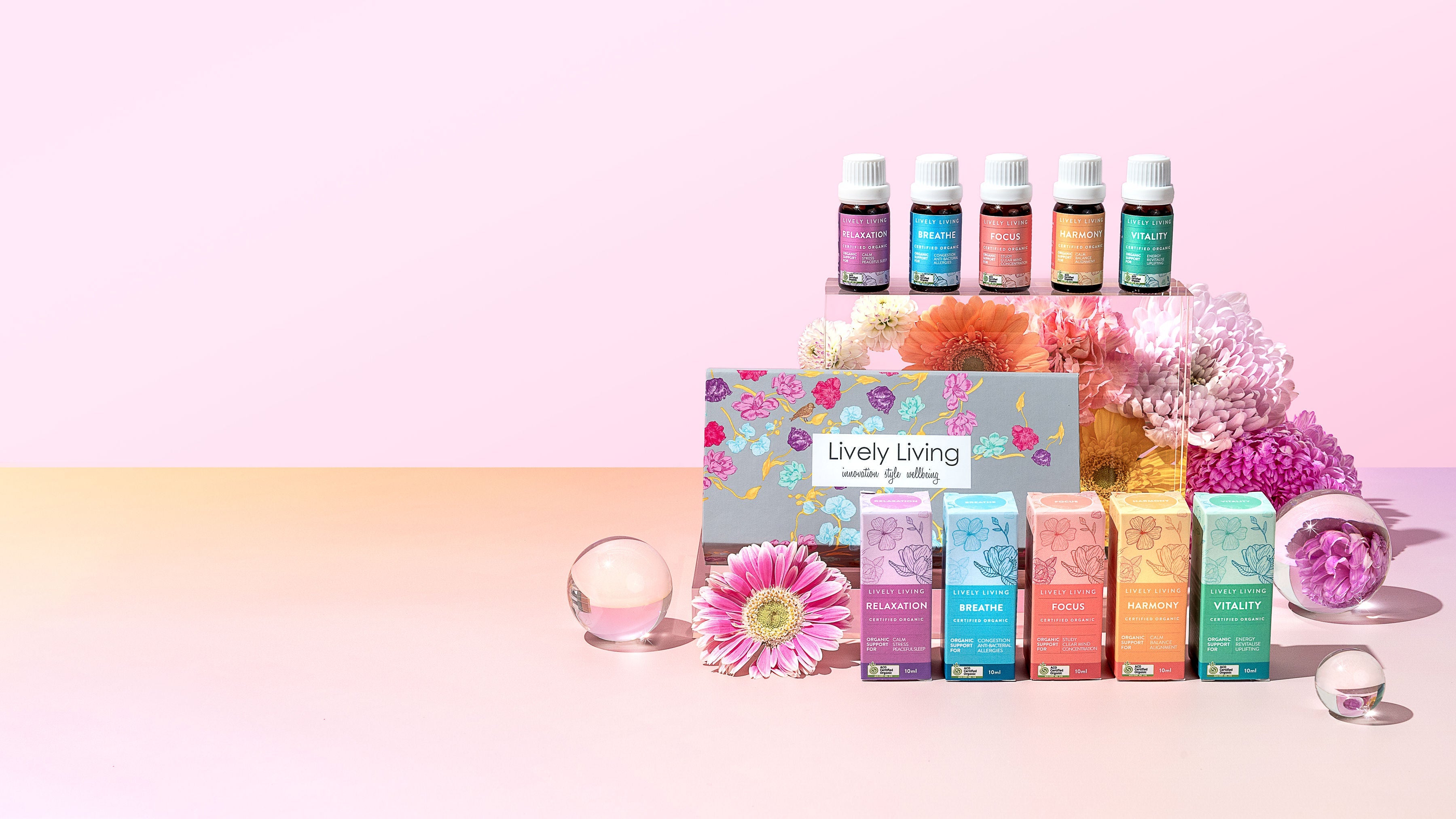
In the United States, look for the USDA Organic seal. In Australia, look for the ACO bud logo. The standards set by these organisations are strict.
The USCOEA agreement unites these standards. You can read about how Canada and the US align on exceptions and trade. This paperwork protects you.
It creates a paper trail from the bottle back to the farm. Standard oils do not have this. They rely on trust.
And sadly, trust is often broken in this industry. There is also the issue of adulteration. This is when oil companies cut the oil with cheaper things.
They might add vegetable oil or synthetic smells. Certified organic oils face stricter checks. It is much harder to cheat the system when auditors visit the farm.
Looking for the NOP/USDA certified mark is your best defence. It separates quality essential oil from the rest. Always check your organic labels.
The Health Factor: Why It Matters for Sleep and Stress
We use essential oils to fix problems. We use them for stress. We use them to sleep better.
If you are trying to relax, you do not want to inhale synthetic pesticides. That defeats the purpose. Sleep is a sensitive time for your body.
Your brain is trying to detoxify. Adding pollutants to the air is a bad idea. Many people search for essential oils specifically for rest.
Using clean, organic Lavender or Chamomile helps your body shut down naturally. You can use these essential oils safely around your family. The same goes for anxiety.
When you feel anxious, you take deep breaths. You might use a blend to calm your nerves. We recommend using pure blends like our essential oils for anxiety support.
Clean ingredients support your nervous system without adding toxic load. It is simply safer to use oils organic essential products.
The Cost: Why Is It More Expensive?
We need to address the elephant in the room. Organic essential oils cost more. Sometimes a little, sometimes a lot.
This comes down to yield. Organic plants often grow smaller. They produce less oil per acre.
The weeds are pulled by hand, not by chemicals. This costs money. Labour is expensive.
The organic certification process also costs money. Farmers pay fees to be inspected. They pay for the paperwork.
All those costs pass down to you. But you are paying for quality assurance. You are paying for clean farming.
Conventional essential oils are cheap because they cut corners. Mass production brings the price down. But quality often drops with it.
Think of it as an investment in health. You use only a few drops at a time. A bottle lasts a long time.
Is it worth saving five dollars if the oil might contain a neurotoxin? Most people would say no. You want a pure essential experience.
What About 'Wildcrafted' Oils?
You might see the term 'Wildcrafted'. This is another category. It sits somewhere in between.
Wildcrafted means the plant grew in the wild. It was not farmed at all. People went out and gathered it.
This sounds great. Generally, these plants are clean. Nobody is spraying pesticides in the middle of a remote forest.
However, they are not usually certified. There is no one watching the forest. You are relying on the harvester's word.
It is generally a good option if organic is not available. But Certified Organic is still the gold standard for safety. Some specific plants only grow well in the wild.
In those cases, wildcrafted is the best choice. But for common crops like Peppermint or Eucalyptus, organic farming is better. It protects the wild populations from being over-harvested.
Purity Reports and Science
Good companies share their homework. They test their oils in a lab. This is called lab testing.
The most common method is gas chromatography. It breaks down every chemical in the bottle. It shows purity.
It shows the specific chemical constituents. Interestingly, some studies show unexpected things. One report noted on Rotenone shows that even natural farming uses additives.
However, the list of allowed substances in organic farming is short. The list for standard farming is massive. Standard farming uses strong agents.
A study on Vetiver Oil compared the chemical profiles directly. It highlights how growing conditions change the final product. Organic vetiver oil has a distinct profile.
Organic standards keep these profiles consistent naturally. They do not rely on labs to 'fix' the oil later. They let the oil organic nature shine.
Deceptive Marketing Terms
You need to be careful with terms like 'Therapeutic Grade'. This sounds official, but it is not. No government agency grades oils this way.
It is often a marketing term used to sell conventional oils. It does not guarantee the absence of organic pesticides. In contrast, 'Certified Organic' is a legal definition.
Fragrance oils are another trap. These are often fully synthetic. They mimic the smell but offer no benefits.
They are not pure essential oils. Always read the ingredients. Stick to oils simply labelled with the plant name and certification.
Making the Transition
You do not have to throw away your whole collection today. Start small. Replace your oils as they run out.
Prioritise the oils you use the most. If you diffuse Lemon every day, buy organic Lemon. If you use Frankincense once a year, maybe standard is okay for now.
Focus on the oils you use on your skin. Your skin absorbs everything. Topical use carries higher risks than diffusing.
So, making sure your massage oils are organic is a smart move. It protects your skin barrier. Consider starting with organic vetiver or citrus.
The Impact on the Planet
We have focused on your health. But what about the earth? Standard farming is hard on the planet.
Chemical runoff poisons local water. It hurts bees and pollinators. It creates a negative environmental impact.
Organic farming rebuilds the soil. It supports local wildlife. It is environmentally friendly.
When you buy organic, you vote with your wallet. You tell farmers that you care about the earth. You support natural pest control methods.
You support methods that will let us farm for generations. Standard industrial farming burns through resources fast. It is a short-term game.
Organic is a long-term plan. This aligns with a holistic lifestyle. If you love nature enough to bring its scents into your home, you should protect it.
Buying organic products does exactly that. It preserves the land for future harvests. It respects the cycle of life.
Understanding the Label: Summary Checklist
Let's make this actionable. Next time you shop, look for these three things. First, look for the organic seal.
Second, look for the Latin name of the plant. It should be specific, like Lavandula angustifolia. If it just says 'Lavender', be careful.
Third, look at the country of origin. Reputable companies tell you where the plant grew. This provides transparency.
If a bottle lacks this info, put it back. Quality brands have nothing to hide. Also, check the price.
If it seems too good to be true, it is. Real essential oil takes a lot of plant material. You cannot produce a bottle of organic Rose oil for ten dollars.
It is physically impossible. Price reflects the effort. It reflects the careful preparation of essential oils organic essential workers provide.
Beware of non-organic essential products masquerading as high quality. Do your research. Trust the certification.
The Bottom Line on Purity
There is a clear winner in the debate of Certified Organic vs. Standard Essential Oils — What's the Difference? for your family. Standard oils are cheaper.
They are easy to find. But they carry a hidden risk of chemicals. They rely on conventional essential farming that hurts the earth.
They might not smell as rich or complex. Certified organic oils are pure. They are potent.
They give you peace of mind. They cost more because they are worth more. They treat the plant, the planet, and your body with respect.
We believe in that respect. We believe your home should be a safe haven. If you want to know what to avoid, some resources like this one discuss specific oil concerns.
Knowledge is your best defence. But the simplest rule is to look for the seal. It does the hard work for you.
Lively Living is Australia’s leading brand of certified organic essential oils.
We are based on the Gold Coast and founded in 2012


