



 Back to all blogs
Essential Oils for a Healthy Home: Benefits and Tips
Creating a healthy home is vital, but you also want something simple enough to stick with on a busy day. This guide will walk you through an easy, step by step way to build healthier homes using tiny changes that add up.
We provide evidence-based strategies alongside smart help from essential oils and science-backed tweaks. These adjustments will heavily support health for everyone sharing your living space.
Table of Contents:
- What A Healthy Home Actually Means
-
Step One: Clear The Air In Your Healthy Home
-
Step Two: Rethink Cleaning Products Without Losing That Fresh Feel
-
Step Three: Design A Healthy Home For Sensitive Skin And Airways
-
Step Four: Pay Attention To What You Bring Into Your Healthy Home
- Addressing Hidden Hazards Like Electromagnetic Fields
-
Step Five: Build Small Rituals So Your Healthy Home Lasts
- Food, Pets And The Everyday Side Of A Healthy Home
- Bringing It All Together For A Sustainable Healthy Home
- Conclusion
What A Healthy Home Actually Means
A national institute focused on health notes that a healthy building is housing that is built and maintained properly. This type of space directly improves human health for everyone living inside.
That covers indoor air quality, moisture control, safety regulations, and what you clean your space with. In short, your general household should help your body instead of working against it. If your indoor environments trigger headaches, sniffles, eczema flares, or poor sleep, something needs a tune up.
You do not need to fix it overnight to see positive health impacts. You can start building sustainable homes by addressing the spaces you use every single day.
Step One: Clear The Air In Your Healthy Home
Indoor air can carry more pollutants than outside air, especially in tightly sealed houses. Volatile organic compounds, often called VOCs, are one major group of culprits that affect energy efficiency and air flow. They are carbon-based chemicals that evaporate at room temperature and severely reduce air quality.
You breathe them in from paints, cleaning products, scented sprays, new furniture, and more. The Australian Department of the Environment explains that VOCs can negatively affect health and comfort even at low levels over time. You can read how VOCs are defined in more detail through their ambient air quality guidelines.
Easy air fixing moves
-
Open windows for ten minutes morning and evening, weather and safety allowing, to flush out stale air.
-
Turn on exhaust fans in bathrooms and the kitchen whenever you shower or cook.
-
Keep plants in main living spaces, as long as no one is allergic.
-
Reach out to industry professionals if poor ventilation issues persist over time.
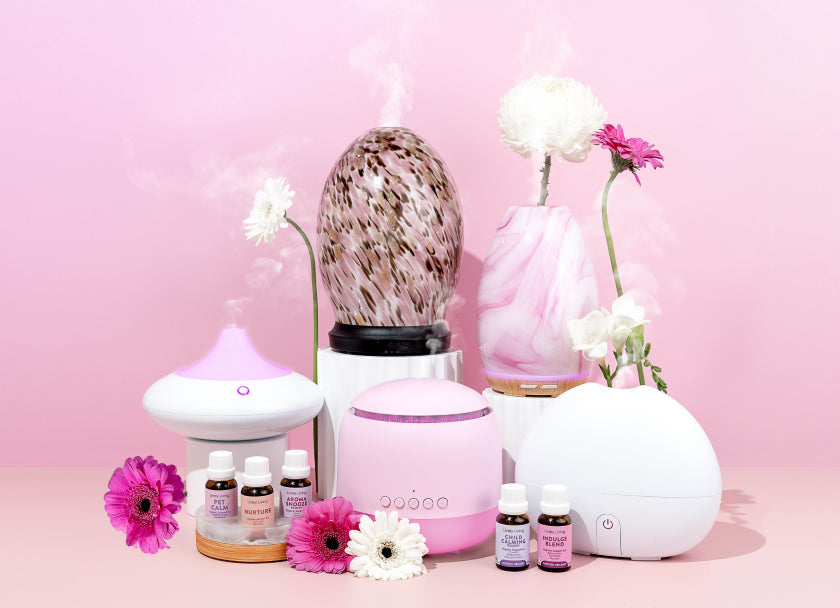
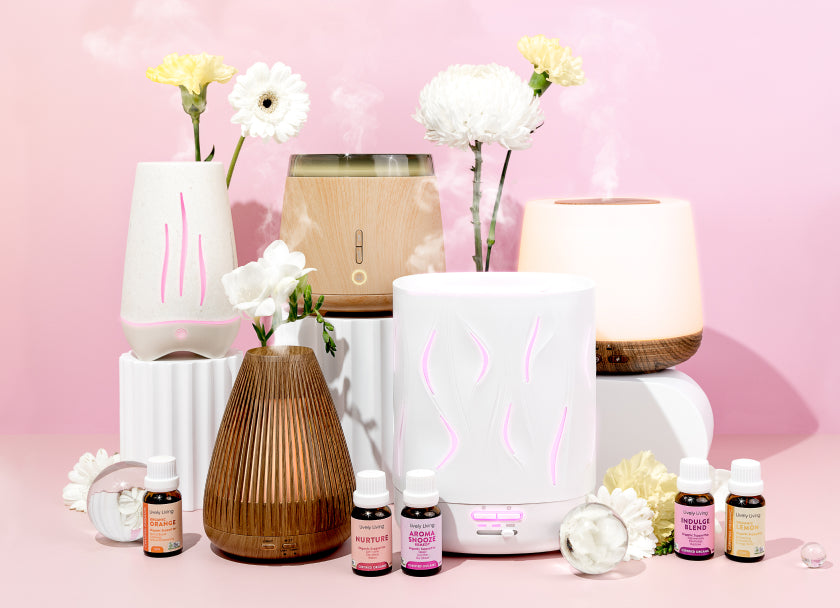
- Diffuse Lively Living essential oils in a diffuser
Research from the University of Technology Sydney looked at potted plant setups indoors. They found that a potted plant microcosm can lower VOCs, which helps homes support overall well-being. You can explore that work through their indoor VOC reduction research paper.
NASA ran a classic clean air study on common houseplants used in sealed environments. They listed peace lilies, spider plants, Boston ferns, snake plants, and aloe vera as strong air helpers. You can read about that study in the NASA Clean Air report summary.
| Goal | Low effort habit |
|---|---|
| Less VOC build up | Crack windows daily and use fans while cooking or cleaning. |
| More natural filtration | Add one hardy plant, such as a snake plant, to each main room. |
| Fewer chemical sprays | Swap one synthetic spray a week for a simple essential oil cleaner. |
Step Two: Rethink Cleaning Products Without Losing That Fresh Feel
Most of us grew up thinking a clean house had to smell like a strong chemical. Yet newer research paints a different picture about environmental health, especially after the pandemic spike in cleaning product use. Recent Australian research on disinfecting products suggests that scented items add harmful VOCs into indoor air.
You can read about that work through an article on volatile chemical emissions. That does not mean you never disinfect or try to prevent mould. It just means you pick products carefully and keep good airflow while you use them.
The lazy girl friendly swap plan
You do not have to toss everything in one day. Just rotate in plant-based tools over time. Use essential oils to make those routines pleasant enough that you keep going.
-
Replace a perfumed spray with a home mix of white vinegar, water, and lemon oil.
-
Use tea tree oil and baking soda paste on tiles instead of harsh scrubbing powders.
-
Spritz your shower with a water and tea tree mix to reduce mould risk on surfaces.
-
Explore multiple variants of natural soaps to find options your family actually enjoys using.
Lemon oil works well in kitchens because it cuts grease while leaving a bright scent. Tea tree oil suits bathrooms since it is known for strong cleansing and deodorizing effects on damp surfaces. Peppermint oil feels fresh in the fridge and can help neutralize stale smells in that tight space.
Step Three: Design A Healthy Home For Sensitive Skin And Airways
Some people feel every small trigger in a home. If you or your kids have asthma, allergies, or eczema, the standard for healthy homes feels even higher. You can lower the load of common irritants step by step to create healthier spaces.
Many eczema guides cover building biology and creating a healthy home for kids with eczema. They talk through dust control, fabrics, cleaning choices, and even pet care as they relate to flare ups. If eczema is part of your story, you may want to skim a healthy home guide for children.
Low effort ways to ease common triggers
-
Use zip covers on pillows and mattresses to reduce dust mites in beds.
-
Wash bedding once a week on hot if possible to completely eliminate lingering allergens.
-
Keep soft toys and cushions to a loved few that are easy to wash.
-
Run a small air purifier in bedrooms to proactively support health during sleep.
For kids with eczema, avoid heavy use of air freshener sprays or perfumed cleaners around their sleep space. A mild diffuser blend with lavender in the corner of the room can still feel soothing. You can always turn the diffuser off before they fall fully asleep to keep direct exposure on their skin low.

Step Four: Pay Attention To What You Bring Into Your Healthy Home
Often the largest chemical loads do not come from your cleaning caddy. They sneak in on furniture, flooring, and new building materials as they off-gas over time. Smart building design means being aware that laminates and strong glues all give off VOCs for weeks or months.
Architectural Digest has explained how off-gassing works, including how glues, plywood, and foams release chemicals. You can learn more about that process in their furniture off-gassing process overview. Making informed material choices stops these hidden toxins from accumulating inside.
Bringing new items home, the slower air method
-
Unpack new items in a garage or sheltered outdoor spot and air them out.
-
Open windows wide during the first week after a big furniture or flooring change.
-
Skip extra fabric sprays or scent boosters on new soft items for the first month.
If that feels like a lot, remember that this is about harm reduction rather than chasing perfection. Even a single habit like airing new mattresses for one day makes a real difference. Small steps eventually lead to much better long-term results.
Addressing Hidden Hazards Like Electromagnetic Fields
Another aspect of building science involves reducing invisible stressors like electromagnetic radiation. Working with a knowledgeable build consultant can help you plan a low-toxicity environment from the ground up. Professionals reduce exposure by checking for issues that are easily overlooked by the average homeowner.
Simple actions include turning off your Wi-Fi router at night and keeping phones out of the bedroom. These straightforward evidence-based strategies improve healthy design without much added effort. Mindful practices like this naturally form the foundation of a true health building approach.
Step Five: Build Small Rituals So Your Healthy Home Lasts
Many guides about healthy housing talk in long-term language. Organizations describe homes as places that need to be designed and maintained to keep supporting health. You can read how they outline their core principles for a healthy home.
That might sound huge, but true sustainable design starts with daily rhythms. We can manage a full life while keeping spaces clean and functional. Here is one way to think about it.

Your five minute room resets with essential oils
You can copy this layout, change the oils to your taste, and call it your lazy ritual list. Be sure to check the price range of different brands to find options that fit your budget. There are multiple variants available to match your specific preferences.
-
Kitchen reset after dinner using simple methods.
Spray benches with a mix of white vinegar, water, and lemon oil.
Wipe, load the dishwasher, and run a diffuser with lemon for twenty minutes.
-
Bathroom freshen in the morning to maintain cleanliness.
Keep a jar of baking soda mixed with a small amount of tea tree oil.
Give surfaces a quick sprinkle and scrub once or twice a week.
-
Fridge check once a week to cut odors.
Use a cloth dampened with water, a little bicarbonate of soda, and a drop of peppermint.
Leave an open jar of dry bicarbonate in the back to soak up smells.
-
Bedroom wind down at night for deeper rest.
Open a window for a few minutes while you brush your teeth.
Run a diffuser with lavender as you get into bed, then switch it off on a timer.
None of these tasks take very long. Yet stacked together they reduce mustiness, cut reliance on heavy scented sprays, and link cleaning to calming smells. That is what turns chores into repeatable, enjoyable rituals.
Food, Pets And The Everyday Side Of A Healthy Home
There is another part of a healthy home that often gets skipped in checklists. That involves how you feed yourself, your family, and your pets day after day. It all factors into the bigger picture, especially when allergies or sensitive guts are involved.
If you have dogs, their treats and food are part of this since they drag crumbs all through the house. One fun example that blends home cooking and pet care is baking your own natural cheddar treats. House Fur shares a fantastic recipe for homemade triple cheddar dog treats that fits right into a baking session.
Bringing It All Together For A Sustainable Healthy Home
At this point you may be wondering how to keep progress going without making it a second job. This is where the bigger sustainability picture can actually make life significantly easier. Groups like Renew in Australia show that home sustainability and general wellness run parallel.
A sustainable healthy home is less about a perfect interior photo and more about gentle habits. You want to implement actions that protect your lungs, skin, and mind day after day. Short daily bursts, natural cleaners, and small scent rituals with essential oils all count for your goals.
Discover Lively Living essential oils today


