







 Back to all blogs
Aromatherapy for Focus & Productivity in a Digital World
Aromatherapy for Focus and Productivity
Staying focused in a digital world is harder than ever. Constant notifications, screen time, and mental overload can leave your concentration feeling drained.
Aromatherapy offers a simple way to support focus by using scent as a cue to help your mind shift into the right state.
How scent supports focus
Your sense of smell is directly linked to areas of the brain involved in memory, mood, and attention. This is why certain scents can instantly make you feel more alert, calm, or grounded.
Used consistently, scent becomes a signal that helps your brain switch between focus, rest, and recovery.
Best essential oils for focus
Citrus oils (lemon, orange, grapefruit)
Fresh and uplifting, often used to support alertness and mood
Peppermint
Cooling and refreshing, commonly used to help you feel more awake
Rosemary
Traditionally used in aromatherapy for memory and concentration
Eucalyptus
Supports deeper breathing and a clearer feeling
Focus Blend
These oils can be used alone or blended depending on your preference.

Simple focus routines that work
Start work cue
Use a fresh, energising scent like citrus or peppermint at the beginning of a work session
Over time, this becomes a mental trigger for focus
Break reset
Switch to a lighter or wood-based scent between tasks to help reduce mental fatigue
End of day wind-down
Use calming oils like lavender or chamomile to signal that work is finished
This creates a clear rhythm between focus and rest.
Ways to use aromatherapy for focus
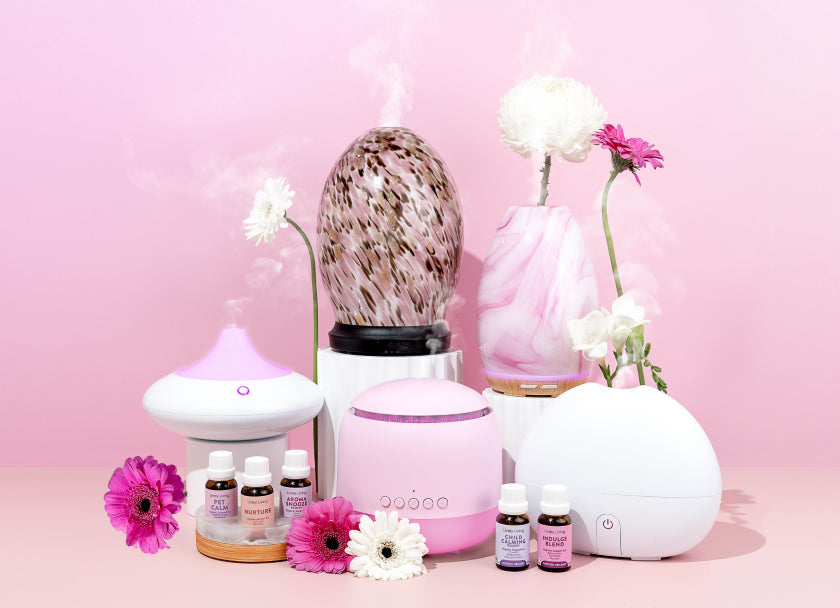
Diffuser
The most common method. Use for short intervals rather than all day
Roller blend
Apply diluted oil to wrists or temples for a quick reset
Cotton pad
Add a drop of oil and keep it near your workspace
Inhaler stick
Portable option for use at work or while travelling
Simple methods are often the most effective.
Safety basics
Use essential oils in moderation
Always dilute before applying to skin
Ensure good ventilation when diffusing
Avoid overuse or very strong concentrations
If you feel headaches or discomfort, stop use and allow fresh air in.
Choosing the right oils
Quality matters. Look for:
clear botanical naming
transparent sourcing
no synthetic fillers
A clean, natural aroma is usually a good indicator of quality.
Understanding the limits
Aromatherapy supports focus, but it does not replace sleep, good nutrition, or structured work habits.
It works best as part of a simple routine, not as a standalone solution.
Frequently asked questions
Do essential oils improve focus?
They can help support focus by influencing mood and creating clear mental cues.
Which oil is best for concentration?
Peppermint, rosemary, and citrus oils are commonly used.
How often should I use aromatherapy?
Frequent use is beneficial, especially at the start of work or during breaks.
Can I use essential oils while working all day?
Yes, though if you are not use to essential oils, It is better to use them in intervals rather than continuously.
Is aromatherapy safe daily?
Yes, when used correctly and in moderation.
Final thought
Aromatherapy is a simple way to create structure in a busy, digital day. By linking scent to specific tasks, you can help your mind shift more easily between focus, rest, and recovery.
Small sensory cues can make a noticeable difference over time.


