
Gifting has never been easier
Perfect if you're short on time or are unable to deliver your gift yourself. Enter your message and select when to send it.

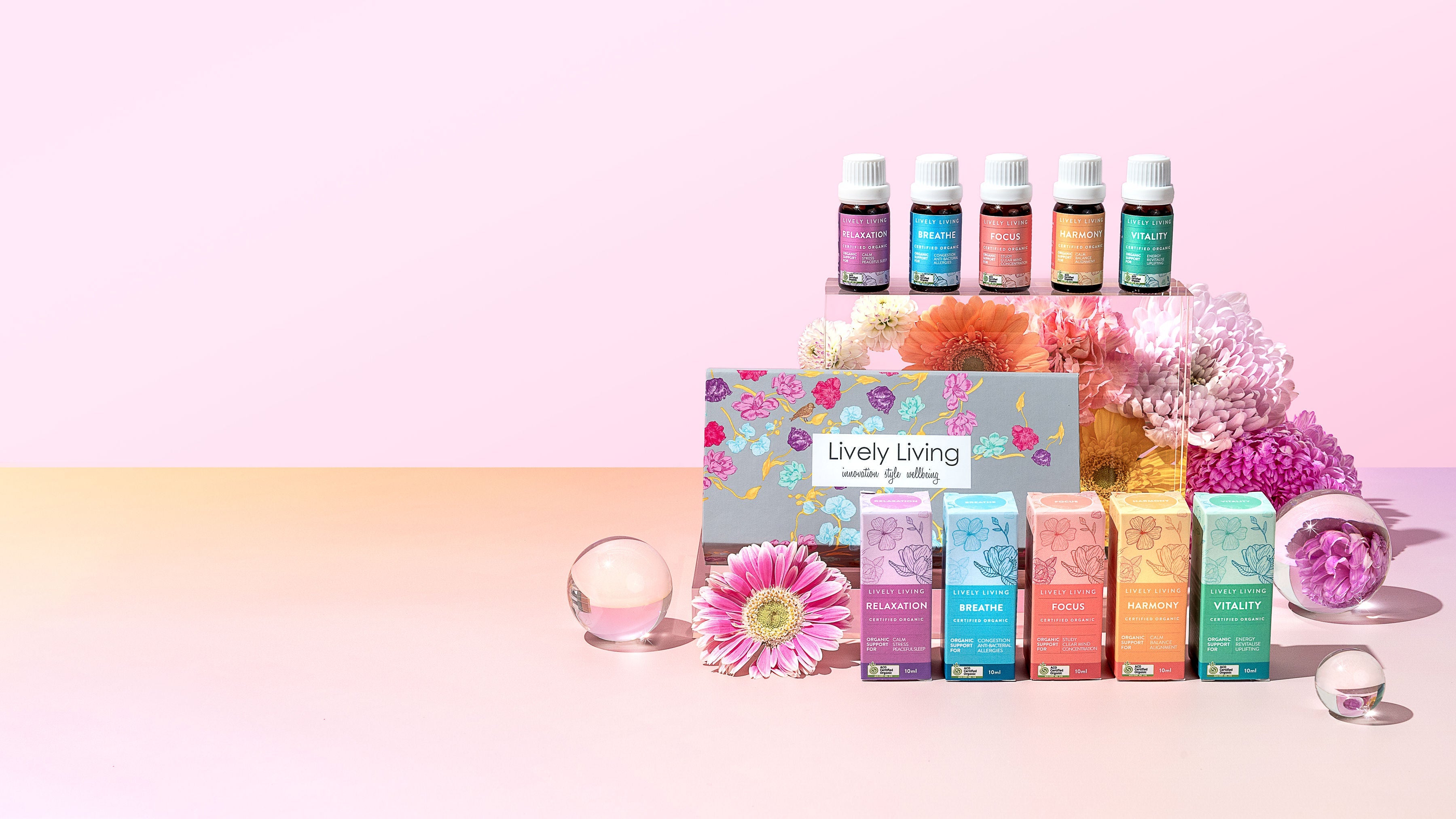

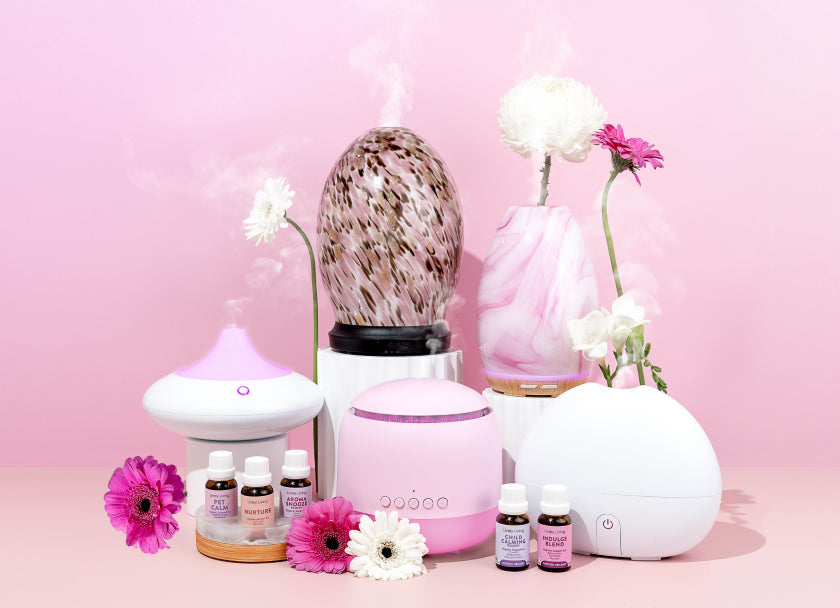
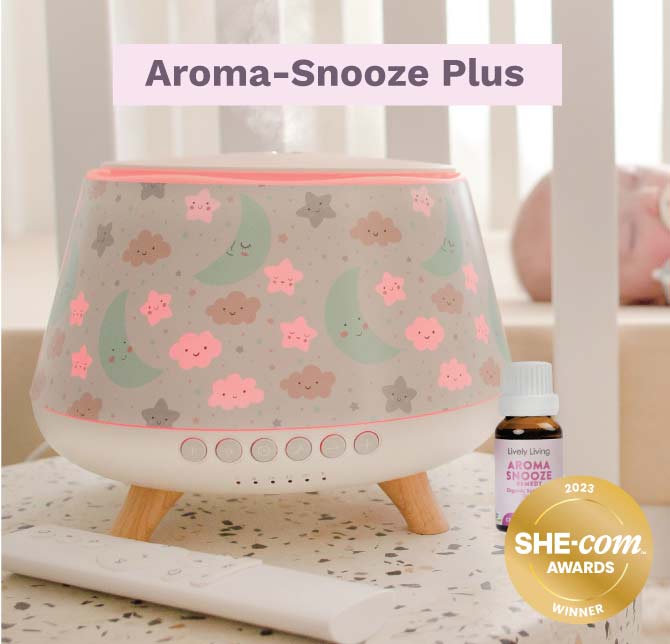
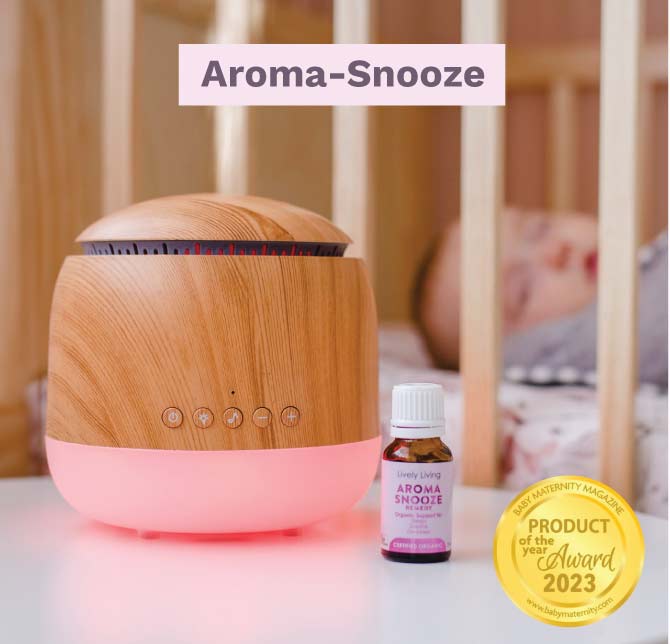


Conventional cleaning products work. They also leave behind chemical residues, synthetic fragrances, and compounds that are harder on your household than the grime they remove. Essential oils offer a practical alternative - effective at the same tasks, without the trade-offs.
The case for switching
Most household cleaners contain ammonia, chlorine, and synthetic fragrance compounds - ingredients that can irritate the respiratory system, trigger skin sensitivities, and accumulate in the body over time. The surfaces in your home may look clean, but the air and residue tell a different story.
Natural cleaning alternatives - built from ingredients like white vinegar, baking soda, castile soap, and essential oils - achieve comparable results without that chemical load. They are biodegradable, safe around children and pets when used correctly, and considerably kinder to the environment. The barrier to switching is lower than most people expect: a handful of base ingredients and a few key oils cover the majority of household cleaning needs.
"A cleaner home should not come at the cost of the air inside it. Essential oils make that possible without compromise."
Why they work
Essential oils are not just fragrance. Many contain naturally occurring compounds - terpenes, phenols, aldehydes - that have documented antimicrobial, antiviral, antibacterial, and antifungal properties. This is what makes them functional in cleaning applications, not just pleasant.
Tea tree oil, for instance, contains terpinen-4-ol, a compound well studied for its ability to disrupt microbial cell membranes. Lemon oil's high limonene content gives it genuine degreasing capability. Eucalyptus cuts through grime and odour. These are not marketing claims - they are the same properties that have made plant extracts useful in medicine and hygiene for centuries.
At Lively Living, every oil we use in these recipes is ACO certified organic - which means no pesticide residues, no synthetic additives, and no compromise in purity. That matters in a cleaning context, because you are dispersing these oils throughout your home.
The essentials
Each oil brings something specific to the cleaning toolkit. Used individually or in combination, these six cover almost every room in the house.
The workhorse. Powerful antimicrobial and antifungal action makes it ideal for bathrooms, mould-prone areas, and any surface that needs genuine disinfection - not just a wipe-down.
A natural degreaser. Cuts through kitchen grime, sticky residues, and built-up grease on surfaces. The fresh citrus scent is a bonus, not the point.
Effective against tough stains, residues, and odours. Particularly useful on bathroom tiles and grout. Also known for its ability to remove sticky label residue from surfaces.
Antibacterial with a gentle profile. Well suited to laundry, fabric freshening, and any area where a calmer scent is preferred over sharper citrus or camphor notes.
A natural deterrent for ants, spiders, and other insects. Works well in air freshening sprays and as a finishing note in multi-purpose cleaners. Use sparingly - it is potent.
Excellent at dissolving grease and sticky residues. A gentler citrus option than lemon, it works particularly well in floor cleaners and dish soap formulations.
All six are available as certified organic single note oils in Lively Living's range.
Before you start
Essential oils are concentrated. A general guideline for cleaning formulations is 10 to 20 drops per 500ml of water, vinegar, or alcohol base. More is not more effective - excessive concentrations can damage surfaces, cause skin irritation on contact, or leave residue.
Ensure the room is ventilated when spraying. Keep formulations out of reach of children and pets. Citrus oils (lemon, orange) can cause photosensitivity on skin, so avoid applying directly to skin before sun exposure. If you have specific health conditions or sensitivities, check with a healthcare professional before introducing new oils into your home environment.
DIY recipes
Each recipe uses simple, widely available base ingredients alongside Lively Living's certified organic oils. All quantities are easy to scale up.
Countertops, sinks, benches
Ingredients
Method
Showers, tiles, grout, tubs
Ingredients
Method
Hard floors, tiles
Ingredients
Method
Living spaces, bedrooms, bathrooms
Ingredients
Method
Washing machine, fabrics
Ingredients
Method
Dishes, kitchen surfaces
Ingredients
Method
Shop the oils
All six oils in this guide are available as ACO certified organic single note oils. Browse the full range or shop individual oils to build your cleaning kit.
Shop Single Oils Browse All OilsWant a printable version? Download the original guide as a PDF.
Download PDF