



 Back to all blogs
5 Myths About Nasal Aspirators Debunked: Get the Facts
As a loving parent, your baby's health and happiness mean the world to you. When your little one is struggling with a stuffy nose, a nasal aspirator can provide much-needed relief. But with so many conflicting opinions out there, how do you know what's true? Join me as I tackle 5 common misconceptions about nasal aspirators head-on. Let's separate the myths from the facts together!
Table Of Contents:
- 5 Common Myths About Nasal Aspirators
- How Nasal Aspirators Actually Work
- The Benefits of Using a Nasal Aspirator
- Choosing the Right Nasal Aspirator for Your Baby
- Nasal Aspirator Safety and Hygiene Tips
- FAQs in Relation to 5 Myths About Nasal Aspirators Debunked: Separating Fact From Fiction
- Conclusion
5 Common Myths About Nasal Aspirators
As a parent, you want what's best for your baby. When it comes to clearing stuffy noses, nasal aspirators can be a lifesaver. But with so much information out there, it's easy to fall for some common misconceptions about nasal aspirators. I've been there. I remember when my firstborn had his first cold, I was hesitant to use a nasal aspirator. I'd heard they were painful and could cause infections. Turns out, I was wrong. After doing my research and talking to our pediatrician, I learned the truth about these handy little devices. So today, I'm here to debunk 5 common myths about nasal aspirators and set the record straight. Because when you're armed with the facts, you can confidently use a nasal aspirator to help your little one breathe easier.
Myth 1: Nasal Aspirators Are Painful for Babies
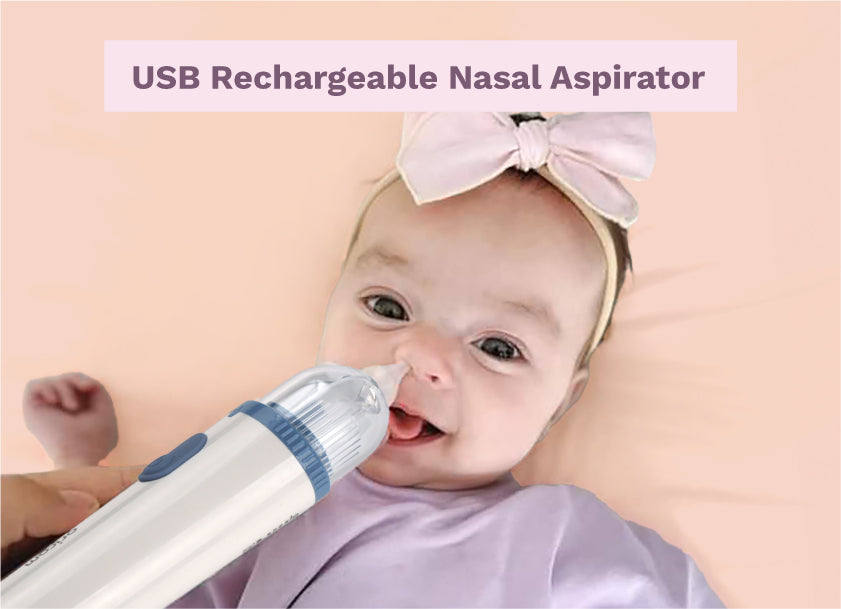
One of the biggest baby nasal aspirator myths is that they're painful for infants. I get it - the thought of sticking something up your baby's nose seems cruel. But when used correctly, nasal aspirators are not painful at all. The key is to be gentle and use the right technique. Look for an aspirator with a soft, flexible tip that won't irritate delicate nasal passages. The Rechargeable Nasal Aspirator, for example, has a broad, shallow tip that creates a seal without over-inserting. Gently place the tip at the nostril opening and use light suction. If your baby fusses, take a break and try again later. Never force it. With a little practice and a lot of cuddles, using a nasal aspirator can be a pain-free experience for your babe.
Myth 2: Nasal Aspirators Can Cause Infections
Another common misconception is that nasal aspirators can introduce bacteria and cause infections. While it's true that the nasal passage can be a conduit for germs, a clean aspirator poses no risk. The key is proper hygiene. After each use, sanitize the aspirator with hot, soapy water. If you're sharing between siblings, sterilize it first to avoid cross-contamination. Look for an aspirator with disposable filters that trap snot and germs. The NozeBot has a long tube with a filter, so there's no danger of mucus or bacteria reaching your mouth. With good cleaning habits and the right aspirator, you can keep infections at bay and safely clear your baby's nose.
Myth 3: Nasal Aspirators Are Only for Sick Babies
Contrary to popular belief, nasal aspirators aren't just for when your baby is sick. They can be beneficial for healthy babies too. Newborns and infants are still learning to breathe through their noses. They don't yet know how to clear their airways on their own. Using an aspirator regularly can help prevent congestion and breathing difficulties, even when your baby isn't ill. I made it part of our daily routine, using the aspirator before feedings and bedtime to keep things clear. It was a game-changer for a more restful night's sleep (for all of us.). So don't reserve the nasal aspirator just for sick days. Make it part of your baby's regular hygiene routine for a clearer, happier baby.
Myth 4: All Nasal Aspirators Are Created Equal
Walk down the baby aisle and you'll see a slew of nasal aspirator options. But they're not all created equal. Some aspirators, like the bulb syringe, have narrow tips that can over-insert and cause discomfort or even nasal trauma. Others, like oral suction aspirators, use your mouth to create suction. While generally safe with filters, some parents aren't comfortable with this method. When choosing an aspirator, look for one specifically designed with baby's comfort in mind. I'm a fan of the NozeBot for its broad, shallow tip that creates a seal without over-inserting. Its long tube and filter also make it more hygienic and parent-friendly. Do your research, read reviews, and don't assume all aspirators will work the same. Find one that's safe, effective, and easy for you to use.
Myth 5: Nasal Aspirators Should Be Used Frequently
While nasal aspirators are safe and helpful, they shouldn't be overused. Excessive suctioning can irritate the delicate nasal tissues, leading to inflammation or even nosebleeds. As a general rule, limit suctioning to a few times a day - before feedings and bedtime, or when you notice your baby is particularly stuffy. If your baby is resistant or becomes agitated, don't force it. Take a break and try again later when they're calmer. And if you're constantly reaching for the aspirator, talk to your pediatrician. Frequent congestion could be a sign of an underlying issue like allergies or reflux. Remember, nasal aspirators are a tool, not a cure-all. Use them wisely and sparingly for the best results and a happier, more comfortable baby.
How Nasal Aspirators Actually Work
As a parent, there's nothing worse than seeing your little one struggle to breathe through a stuffy nose. That's where nasal aspirators come in - these handy devices are designed to gently remove mucus and provide much-needed relief. But have you ever wondered how nasal aspirators actually work their magic? Let's take a closer look at the nasal aspirator mechanism and the proper technique for using one.
The Different Types of Nasal Aspirators
First things first, it's important to know that not all nasal aspirators are created equal. There are several types available, each with its own unique design and method of suction. The most common types include:
- Bulb syringes: These simple devices consist of a soft rubber bulb attached to a narrow tip. To use, you squeeze the bulb to expel air, then place the tip at the entrance of the nostril and release the bulb to create suction.
- Oral suction aspirators: Also known as 'snot suckers,' these aspirators have a nozzle that goes into the baby's nostril, connected to a long tube with a mouthpiece on the other end. The parent provides the suction power by gently sucking on the mouthpiece. Don't worry - a filter prevents any mucus from reaching your mouth.
- Electric aspirators: For a more high-tech option, electric nasal aspirators use battery power to create a steady stream of suction. They often come with multiple suction levels and disposable tips for easy cleaning.
Personally, I've found the most success with oral suction aspirators like the NozeBot. The ability to control the suction with my own breath helps me be extra gentle, and I love that there's no risk of over-inserting the tip into those tiny nostrils.

Proper Technique for Using a Nasal Aspirator
Now that you've got your aspirator picked out, it's time to put it to work. Here's a step-by-step guide to using a nasal aspirator safely and effectively:
- Start with a calm baby. It's much easier to use an aspirator when your little one is relaxed, so consider doing it after a warm bath or before a nap.
- Position the tip. Gently insert the aspirator tip into the nostril, being careful not to push too far. The tip should stay at the entrance of the nostril without going deep inside.
- Create a seal. Make sure the aspirator tip fits snugly against the nostril to create a good seal. This will help create the suction needed to remove mucus.
- Provide suction. If using an oral suction aspirator, gently suck on the mouthpiece to start the suction. For bulb syringes, release the compressed bulb. Electric aspirators will have a button to start the suction. Use short, gentle bursts of suction rather than one prolonged attempt.
- Remove mucus. As the suction pulls mucus from the nose, it will collect in the aspirator tip or tube. After each suction attempt, remove the aspirator and clean out the mucus with a tissue.
- Repeat as needed. If mucus remains, repeat the process in the other nostril. Be sure to clean the aspirator thoroughly with hot, soapy water after each use.
Bear in mind that this should be a gentle process. If you end up suctioning too aggressively, the nasal tissues can become inflamed (or even bleed), which can make the congestion worse. If your baby resists vigorously, let it go for a while and try again later.
When to Use a Nasal Aspirator
So when should you break out the nasal aspirator? Here are some common scenarios where your baby may benefit from a little extra help clearing their nasal passages:
- Colds and congestion: When your baby is stuffed up from a cold or allergies, an aspirator can provide much-needed relief. I always keep ours handy during cold and flu season.
- Before feedings: If nasal congestion is making it difficult for your baby to nurse or take a bottle, try suctioning their nose first. Clearing the airways can help them feed more comfortably.
- Before bed: Babies are naturally nose breathers, so a stuffy nose can make it tough for them to settle down and sleep. A quick suction before bed can help them breathe and sleep more soundly.
- After sinus irrigation: If you use saline drops or spray to help loosen mucus, follow up with the aspirator to remove the excess fluid and snot.
In order to safely care for your child, it is important to avoid these common mistakes when using a nasal aspirator. Contact your provider if you are ever concerned about your childâs health, especially if symptoms are not improving. At the end of the day, nasal aspirators are a simple but incredibly useful tool for keeping your baby breathing easy. By understanding how they work and using proper technique, you can help your little one stay comfortable and congestion-free - and that means more restful nights for the whole family.
The Benefits of Using a Nasal Aspirator
As a parent, there's nothing worse than seeing your little one struggle to breathe through a stuffy nose. It breaks your heart. That's where nasal aspirators come in as a total game-changer. I've used them countless times with my own kids, and I can tell you firsthand - the benefits are legit.
Improved Breathing and Sleep
First off, nasal aspirators are like little miracle workers when it comes to helping your baby breathe easier. By gently suctioning out all that gunky mucus, you're clearing the airways and allowing your little one to take in that precious oxygen without any obstruction. And you know what comes with better breathing? Better sleep, for both baby AND you. Studies have shown that infants with clearer nasal passages tend to have more restful, uninterrupted sleep. As a sleep-deprived parent, I can attest to how much of a lifesaver this is.
Reduced Risk of Infections
But the benefits of nasal aspirators go beyond just improved breathing and sleep. By regularly removing excess mucus, you're also helping to reduce the risk of infections taking hold. Here's the thing - when mucus builds up and sits stagnant in those little nasal passages, it creates a breeding ground for bacteria. It's like a petri dish in there. But by keeping things cleared out with a nasal aspirator, you're making it a lot harder for those germs to multiply and cause secondary infections.
Faster Recovery from Colds and Congestion
And let's talk about when your baby does come down with a cold or congestion. Nasal aspirators can be a real MVP in helping speed up that recovery process. When your little one is all stuffed up and miserable, their body is working overtime to fight off that illness. By using a nasal aspirator to remove mucus and help them breathe more freely, you're allowing their body to direct that energy towards healing instead of struggling for air. In my experience, consistent use of a nasal aspirator during a cold has helped my kids bounce back faster and with less discomfort. It's like giving their immune system a power-up boost. So there you have it - the top benefits of using a nasal aspirator, straight from a mom who's been in the trenches. Trust me, once you see how much it helps your baby breathe, sleep, and feel better, you'll wonder how you ever managed without one.
Choosing the Right Nasal Aspirator for Your Baby
When it comes to picking the best nasal aspirator for your baby, the options can feel overwhelming. I've been there. Electric or manual? Silicone or rubber tips? What's age-appropriate? It's enough to make your head spin. But after years of experience as a mom and countless aspirators tested, I've learned a thing or two about finding the perfect fit for your little one's nose.
Electric vs. Manual Nasal Aspirators
First up, let's talk electric vs manual nasal aspirators. Electric aspirators offer consistent suction with the push of a button. They're a lifesaver for tired parents up at 2am with a congested baby. On the flip side, they can be noisy which might startle some babies. And they come with a heftier price tag. Manual aspirators, like the good old bulb syringe, are quiet and affordable. But they require more elbow grease from mom or dad to get the job done. Personally, I'm a fan of oral suction aspirators like the NozeBot. They hit the sweet spot - gentle suction you control with your own breath, but still easier than a bulb syringe. Plus, a filtered tube keeps mucus and germs far away from your mouth.
Nasal Aspirator Materials and Design
Next up, materials and design. Soft silicone and rubber tips are a must for comfort on delicate baby noses. Avoid anything hard or pokey. I love aspirators with a contoured tip that fits just right in tiny nostrils without going too deep. The NozeBot's oval tip is perfection. Some aspirators come with fancy disposable filters. They're nice but not necessary if you clean your aspirator well after each use. A simple but effective design is all you need.

Finally, make sure you choose an aspirator that fits your baby's age and size. Newborns and preemies need the smallest, gentlest tips. Look for aspirators made specifically for the littlest noses. As babies grow, they can graduate to aspirators with slightly larger, more powerful suction. Around 6 months is usually a good time to size up. But even older babies and toddlers with colds may still need a slender, comfortable tip to coax them into cooperating with nose cleaning time. The best nasal aspirator is one your child doesn't fight. At the end of the day, the right aspirator is the one that safely and effectively clears your baby's congestion with the least amount of tears (from both of you.). Don't be afraid to experiment until you find your perfect match among all the types of nasal aspirators out there.
Nasal Aspirator Safety and Hygiene Tips
As a parent, there's nothing worse than seeing your little one struggle with a stuffy nose. It's heartbreaking to watch them try to breathe, feed, and sleep while battling congestion. That's where nasal aspirators come in - they're total game-changers when it comes to clearing out mucus and helping your baby breathe easier. But here's the thing: if you're not using them properly, nasal aspirators can actually do more harm than good. I've been there, done that with my own kids. I remember the first time I used a bulb syringe on my daughter - I was so nervous about hurting her delicate little nose. But over time, I learned the ins and outs of nasal aspirator safety and hygiene. And now, I'm here to share that knowledge with you. Because let's be real - no one hands you a manual on this stuff when you become a parent. We're all just figuring it out as we go. So, let's dive into some essential tips for keeping your nasal aspirator clean, safe, and effective. Trust me, your baby (and their tiny nostrils) will thank you.
Proper Cleaning and Sterilization
First things first - if you want to avoid turning your nasal aspirator into a germ factory, you've got to clean it regularly. And I mean after every single use. I know, I know - it's tempting to just toss it back in the drawer and call it a day. But trust me, taking an extra minute to clean your aspirator is SO worth it for your baby's health. Here's how I do it:
- Rinse the aspirator with hot, soapy water immediately after using it. This helps prevent mucus from drying and caking on the inside.
- If you're using a bulb syringe, squeeze the bulb a few times while it's submerged in the soapy water. This helps clean out the inside.
- For a deeper clean, take apart your aspirator (if possible) and let the pieces soak in a mixture of warm water and mild dish soap for a few minutes.
- Rinse everything thoroughly with clean, hot water.
- Allow all the parts to air dry completely before reassembling and storing the aspirator.
Now, if you want to take your cleaning game to the next level, you can also sterilize your nasal aspirator once in a while. Some options include:
- Boiling the aspirator (or just the detachable parts) in water for 5-10 minutes
- Running it through a hot cycle in the dishwasher (top rack only.)
- Using a steam sterilizer designed for baby bottles and accessories
Personally, I aim to sterilize our nasal aspirators about once a week, or whenever someone in the house is sick. It gives me peace of mind knowing I'm keeping those pesky germs at bay.
When to Replace Your Nasal Aspirator
Even with proper cleaning and sterilizing, nasal aspirators don't last forever. Over time, they can develop cracks, tears, or other signs of wear and tear that make them less effective (and even dangerous) to use. So, how do you know when it's time to retire your trusty snot sucker? Here are a few telltale signs:
- Visible cracks, holes, or tears in the bulb or tubing
- Discoloration that doesn't come off with cleaning
- Mold or mildew growth (ew.)
- A foul odor that persists even after washing
- Reduced suction power or difficulty creating a seal
If you notice any of these red flags, it's time to toss that old aspirator and treat your baby to a shiny new one. Trust me, it's not worth the risk of using a damaged or ineffective device on your little one's delicate nasal passages. On average, I find myself replacing our nasal aspirators every 3-4 months. But if you have multiple kids using the same one, you may need to swap it out more frequently.
Precautions to Take When Using a Nasal Aspirator
Okay, so you've got a clean, well-maintained nasal aspirator ready to go. Now, it's time to talk about actually using the darn thing. While nasal aspirators are generally safe and effective, there are a few precautions you should take to avoid causing discomfort or injury to your baby:
- Always use a gentle touch and light suction. You're not trying to hoover every last booger out of there.
- Avoid inserting the tip too far into your baby's nostril. A good rule of thumb is to only go as deep as the width of your fingernail.
- If you're using a bulb syringe, be extra careful not to squeeze the bulb while it's inside your baby's nose. This can cause pain and even damage the delicate nasal tissues.
- Try using saline drops before suctioning to help loosen thick mucus and make the process more comfortable for your baby. I swear by these - they're like magic.
- If your baby is really fighting the aspirator or seems to be in pain, take a break and try again later. It's not worth traumatizing them over a stuffy nose.
And of course, never (ever.) use the same nasal aspirator on multiple children without thoroughly cleaning and sterilizing it first. I don't care if they're siblings - sharing snot is not hot. The last thing I'll say about nasal aspirator safety is this: trust your gut. If something doesn't feel right or you're unsure about how to use the device properly, don't hesitate to ask your pediatrician for guidance. That's what they're there for. At the end of the day, nasal aspirators are just one tool in your parental arsenal against boogers and colds. But when used correctly and hygienically, they can make a world of difference for your congested cutie. So go forth and suction safely, my friends. And remember - you've got this whole parenting thing down. Snotty noses ain't got nothing on you.
FAQs in Relation to 5 Myths About Nasal Aspirators Debunked: Separating Fact From Fiction
Do nose drops exist?
Absolutely. Nose drops are designed to ease congestion and are often used for quick relief.
Are nasal decongestants bad?
Nasal decongestants can help, but overuse leads to rebound congestion. Use them sparingly and wisely.
Can we use nasal drops when baby is sleeping?
Yes, you can use nasal drops while your baby sleeps to relieve congestion without waking them up.
Are all nose sprays the same?
Nope. Nose sprays vary by ingredients and purpose—some target allergies, others tackle dryness or congestion.
Conclusion
Nasal aspirators are a valuable tool for keeping your baby breathing easy, but it's important to separate fact from fiction. We've busted 5 common myths about these handy devices, from the idea that they're painful for babies to the notion that they should be used constantly.
Let's be real – when your little one is all stuffed up, a nasal aspirator can be a lifesaver. Just make sure you pick the right one for your baby's age and needs, and always follow safety and hygiene guidelines. With a little help from an aspirator, you can clear out that congestion and help your baby breathe easier and feel better.
So go ahead and add a nasal aspirator to your baby care toolkit – just remember to use it wisely and always put your baby's well-being first. With these myths debunked, you're well on your way to becoming a nasal aspirator pro!


