


 Back to all blogs
Organic vs Non-Organic Essential Oils – Does It Matter?
Organic vs Non-Organic Essential Oils: Does It Matter?
When you’re diffusing essential oils into the air you breathe or applying them to your skin, quality matters. The difference between organic and non-organic essential oils comes down to how the plants are grown, how the oil is extracted, and what ends up in the final bottle.
What are non-organic essential oils?
Non-organic essential oils are typically produced from conventionally farmed plants that may be treated with synthetic pesticides and chemical fertilisers. Because essential oils are highly concentrated, any residues on the plant can become concentrated in the oil.
Some lower-grade oils may also be diluted with fillers or blended with synthetic fragrance compounds to reduce cost. This can affect both the aroma and the overall quality of the oil.
Why organic matters
Certified organic essential oils are produced without synthetic pesticides, herbicides, or hidden additives. This results in a cleaner, more authentic aroma and greater confidence when using oils in your home or on your skin.
Organic farming also supports healthier soil, better growing conditions, and more sustainable practices.
What certified organic actually means
Not all “natural” oils are the same. Certified organic essential oils must meet strict standards covering farming, harvesting, and processing.
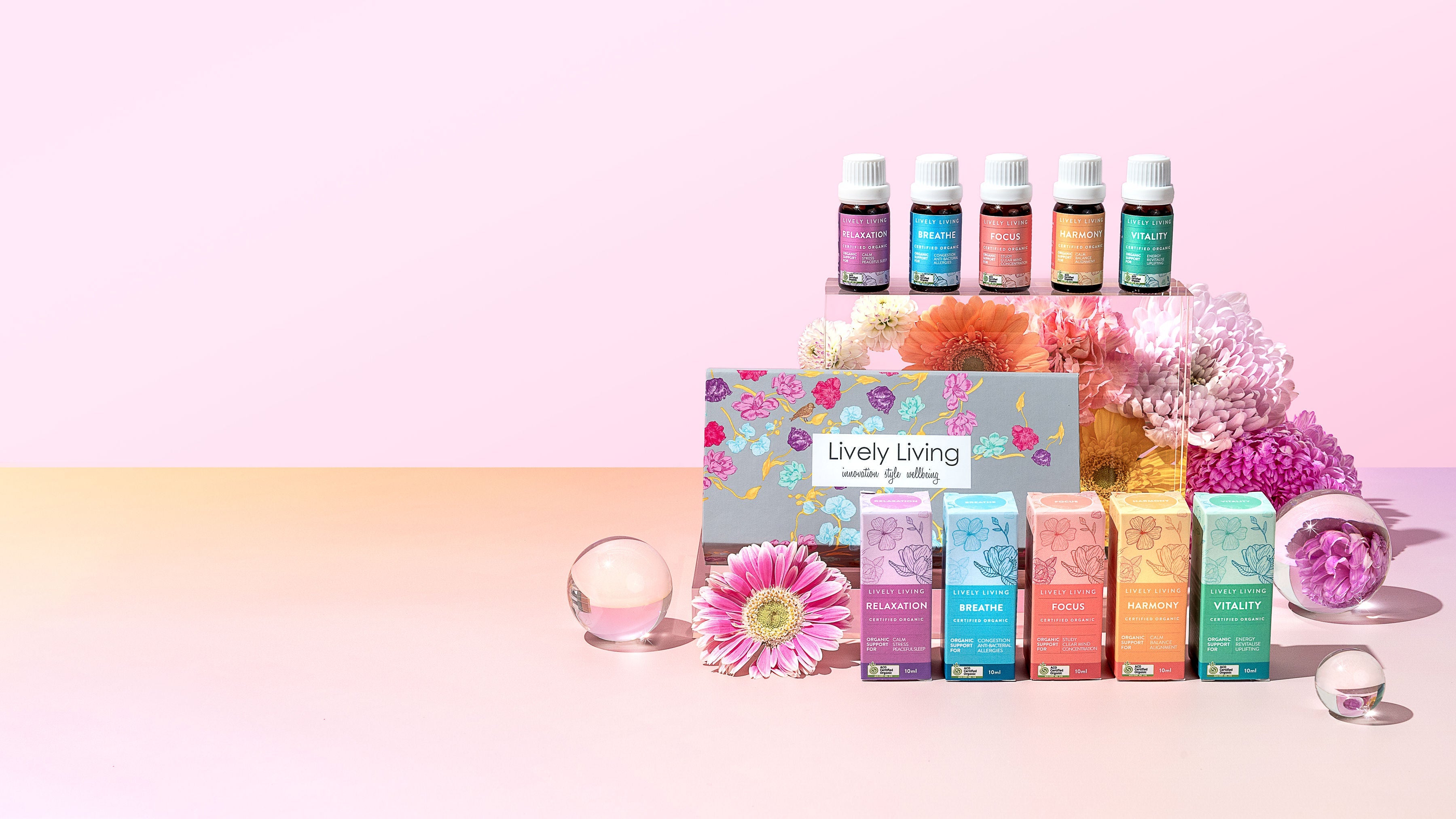
In Australia, certification such as Australian Certified Organic ensures the product has been independently audited from farm to bottle for purity and compliance.

How essential oils are tested
High-quality essential oils are tested to ensure purity and consistency. This includes GC/MS analysis to confirm the natural chemical profile of the oil and detect any synthetic additives or contamination.
Reputable brands may also use sensory evaluation to assess aroma, clarity, and overall quality.
Why citrus oils are different
Citrus oils like lemon, orange, and bergamot are extracted from the peel, which is the part most exposed to pesticides. This makes choosing organic especially important for citrus oils, as residues can be concentrated during extraction.
How to choose a quality essential oil
Look for certified organic status, clear botanical naming, country of origin, and transparency from the brand. A high-quality oil should have a clean, natural aroma that is not overly strong or artificial.
Very low prices can be a warning sign of dilution or lower-grade sourcing.
Frequently asked questions
Does organic essential oil make a difference?
Organic essential oils reduce exposure to synthetic chemicals and are generally considered a cleaner, higher-quality option for everyday use.
Can you diffuse non-organic essential oils?
You can, but any impurities may also be released into the air. Many people prefer organic oils for regular diffusion.
How do I know if an essential oil is truly organic?
Look for recognised certification such as Australian Certified Organic and clear, transparent labelling.
Do essential oils expire?
Yes, essential oils naturally oxidise over time. Most last between one to three years depending on the oil and how they are stored.
Are organic essential oils safer for families?
Organic oils are often preferred due to reduced chemical exposure, but all essential oils should still be used correctly and with appropriate dilution where needed.
Conclusion
Choosing organic essential oils is about purity, transparency, and confidence in what you are using in your home. Small differences in quality can lead to noticeable differences in your overall experience.


