

 Back to all blogs
Complete Essential Oils Guide for Beginners
Updated October 2026 · Reviewed for safety and accuracy by the Lively Living team
New to essential oils? It's easy to feel overwhelmed by all the bottles, blends and advice out there. The good news is you only need a few oils and a few simple rules to get started. This beginner's guide covers what essential oils are, how to choose good quality oils, the best oils to start with, the easiest ways to use them and how to stay safe.
Table of Contents:
- What are essential oils?
- How to choose quality oils
- 8 essential oils for beginners
- Ways to use essential oils
- A simple dilution guide
- Safety basics
- Storing your oils
- Frequently asked questions
What are essential oils?
Essential oils are the concentrated aromatic compounds of plants. They're taken from flowers, leaves, bark, roots, resin or peel, usually by steam distillation or, for citrus fruits, by cold pressing the peel. It can take a huge amount of plant material to make a single bottle, which is why a few drops go a long way.
Essential oils are different from fragrance oils, which are made in a lab to smell like a plant. They're also very different from carrier oils, such as jojoba or coconut oil, which are used to dilute essential oils before they go on your skin.

How to choose quality oils
- Check the botanical name. A good label lists the plant's Latin name, such as Lavandula angustifolia for true lavender, so you know exactly what you're getting.
- Look for certified organic. Certification means the plants were grown without synthetic pesticides and the oil has been independently checked. Look for a recognised certification logo, such as ACO (Australian Certified Organic).
- Avoid "fragrance" or "perfume" oils if you want the real thing.
- Choose dark glass bottles with a dropper insert, which protect the oil from light and make it easy to measure drops.
- Be wary of very cheap prices. Some oils, like rose, sandalwood and vetiver, are naturally expensive to produce.
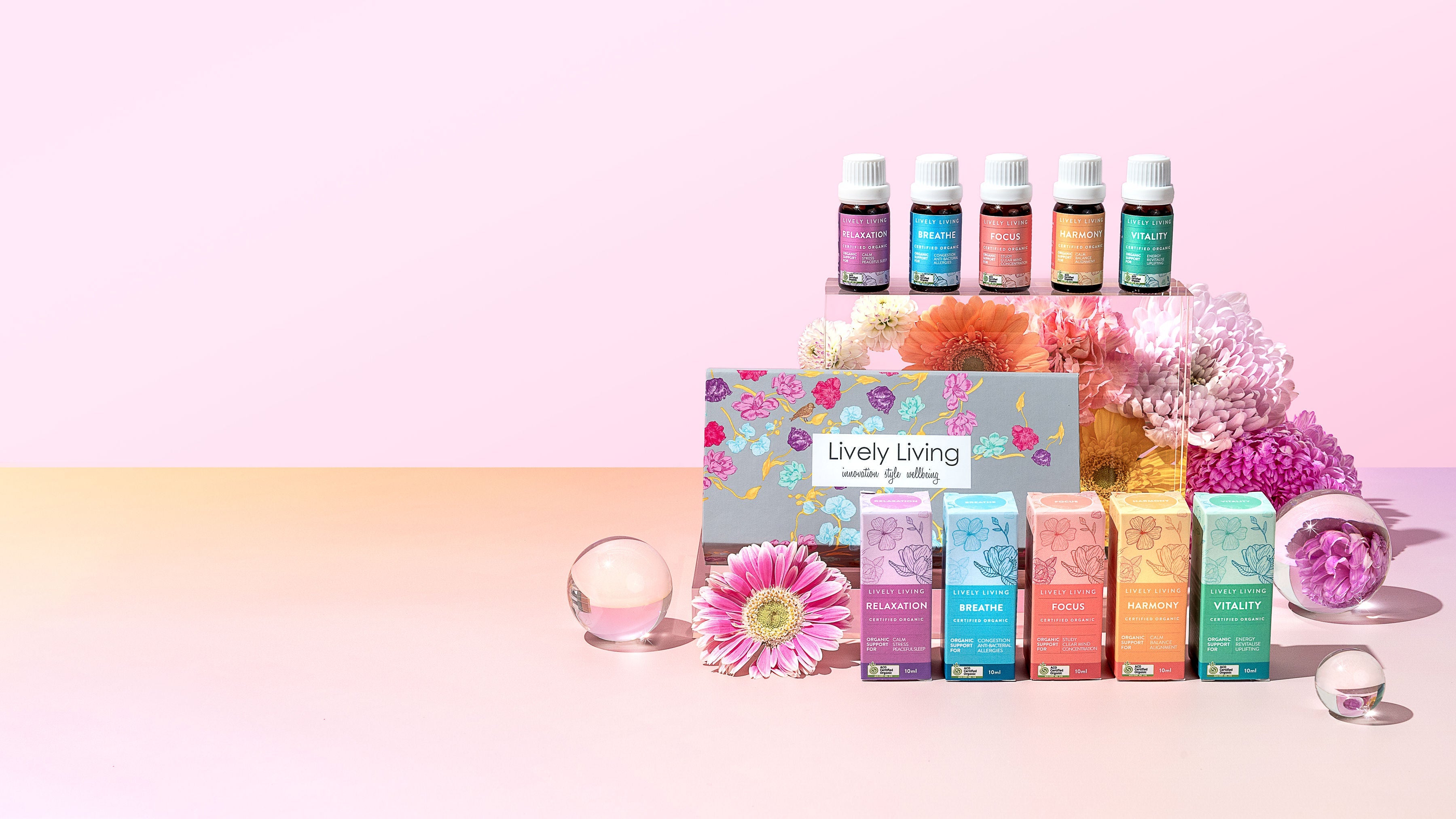
Lively Living offers one of Australia's largest ranges of ACO Certified Organic essential oils. Browse our single note essential oils to get started.
8 essential oils for beginners
1. Lavender. Soft, floral and the most versatile oil to start with. A favourite for evenings, bedtime routines and diluted skincare blends.
2. Sweet orange. Sunny, sweet and gentle. A crowd pleaser in the diffuser and lovely blended with almost anything.
3. Lemon. Bright and fresh. Popular for uplifting morning blends and natural cleaning sprays.
4. Peppermint. Cool and invigorating. Many people diffuse it at their desk when they want to feel alert.
5. Eucalyptus radiata. A classic Australian scent, fresh and clean, and a popular pick in winter and in cleaning blends. There are more than 700 species of eucalyptus, and we chose radiata because it's one of the gentlest, with a softer, sweeter aroma than the common Eucalyptus globulus. Read more in our guide to eucalyptus oil.
6. Tea tree. Another Aussie native with a sharp, medicinal scent. Widely used in homemade cleaning products and, well diluted, in skincare.
7. Frankincense. Warm and resinous. A favourite for meditation, quiet moments and face oils.
8. Rosemary. Herbaceous and clear. Often diffused during study and work, and added to hair care blends.
Want to try a few at once? Our 5 x Organic Essential Oils Kick Start Set or a Build Your Own 3 Pack are an easy way to start a collection.
Ways to use essential oils
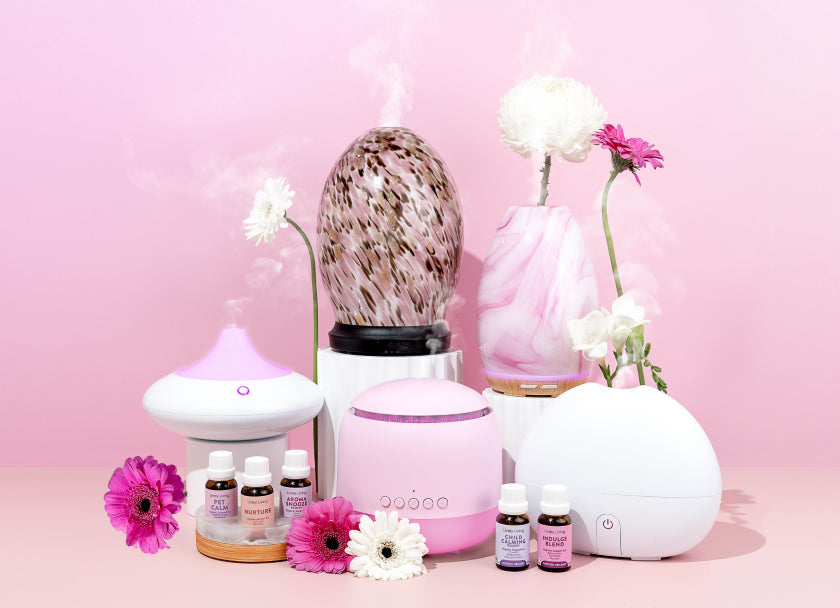
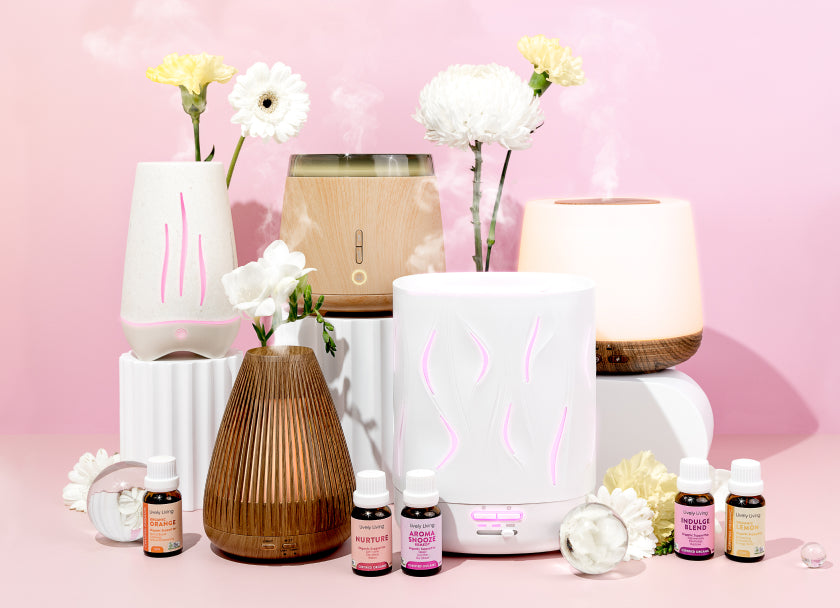
Diffusing. The simplest and most popular way to enjoy essential oils. Add 4 to 6 drops to the water in an ultrasonic diffuser, or use a waterless diffuser that disperses pure oil without water. Diffuse in a ventilated room for 30 to 60 minutes at a time. Find one that suits your space in our diffuser range.

Roller bottles. Dilute essential oils in a carrier oil in a 10ml roller and apply to pulse points such as the wrists and back of the neck.
Bath and body. Mix a few drops into a tablespoon of carrier oil or unscented body wash before adding to a bath, as oils don't mix with water. You can also add a few drops to an unscented body lotion.
Steam and inhalers. Put a drop on a tissue or a personal inhaler to enjoy a scent on the go.
Around the home. Add oils like lemon, tea tree or eucalyptus to homemade cleaning sprays, or a few drops of lavender to wool dryer balls for freshly scented laundry.
Blending your own. Once you're comfortable, try making your own blends by combining a top note (fresh, light oils like citrus), a middle note (florals and herbs) and a base note (woods and resins).
A simple dilution guide
Essential oils are very concentrated, so always dilute them before they touch your skin. In a 10ml roller bottle topped up with carrier oil:
| Strength | Drops per 10ml | Good for |
|---|---|---|
| 1% | 2 drops | Face, sensitive skin, older adults and everyday use |
| 2% | 4 drops | General body use and massage |
| 3% | 6 drops | Short-term use on small areas |
For babies and children, use blends made for little ones and follow the label, and check with your GP or child health nurse first. Our guide to carrier oils explains which carrier to choose.

Safety basics
- Patch test. Apply a small amount of your diluted blend to your inner arm and wait 24 hours before using it more widely.
- Never swallow essential oils, and keep them away from your eyes.
- Citrus and sun. Cold-pressed lemon, lime, bergamot and grapefruit can make skin more sensitive to the sun. Avoid sun exposure on skin where you've applied them for 12 hours.
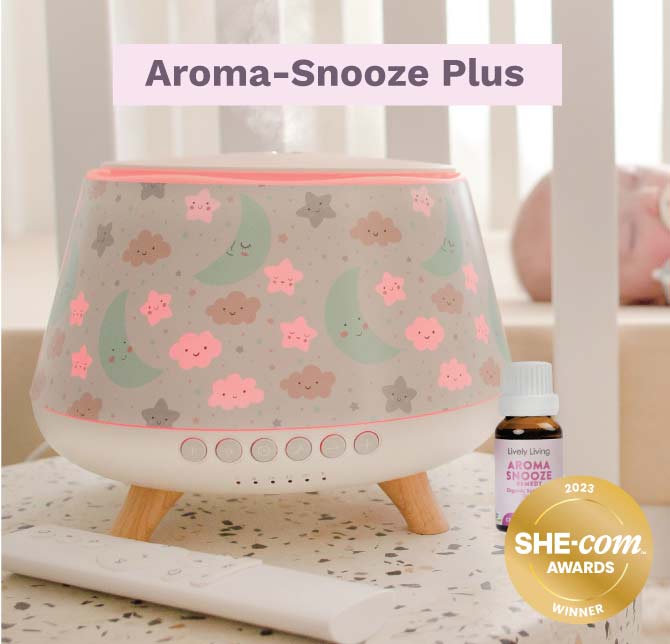
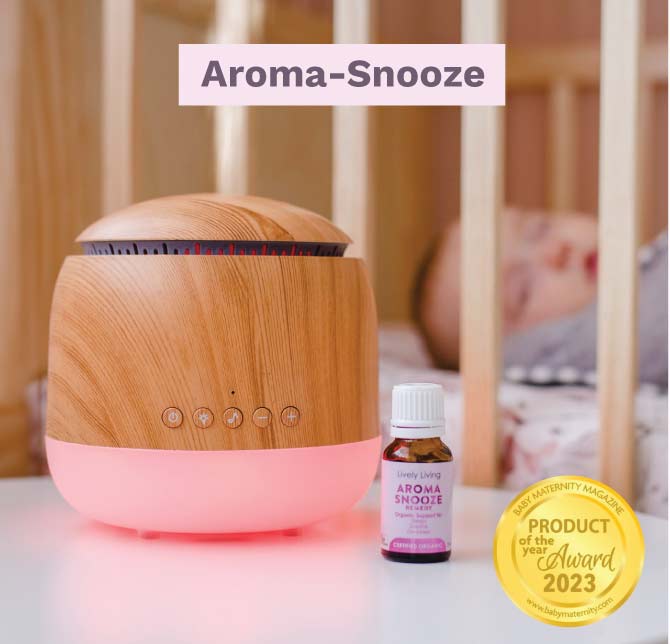
- Babies and children. Peppermint, rosemary and stronger eucalyptus oils like Eucalyptus globulus aren't suitable for use around babies and young children. Gentler oils like Eucalyptus radiata are a better choice for the family home: diffuse at a low strength in a ventilated room, never apply near a child's face, and choose blends made for children.
- Pregnancy and health conditions. If you're pregnant, breastfeeding, have a health condition or take medication, check with your GP or midwife before using essential oils.
- Pets. Animals, especially cats, are more sensitive to essential oils. Read our guide to essential oils and pets.
- Poisoning. Keep oils out of reach of children. If an oil is swallowed, call the Poisons Information Centre on 13 11 26.
Our full essential oil safety guide has more detail.
Storing your oils
Keep bottles tightly closed, upright and away from heat and sunlight. A cool cupboard is ideal. Most oils stay at their best for 2 to 3 years after opening, while citrus oils are best used within about a year. If an oil smells sharp, sour or different, it's time to replace it.
Frequently asked questions
Which essential oils should a beginner buy first?
Lavender, sweet orange, lemon, peppermint and Eucalyptus radiata are a great starting five. Between them you'll have calming, uplifting and fresh scents to mix and match.
What is the 30 50 20 rule for essential oils?
It's a blending guideline borrowed from perfumery: around 30% top notes (such as citrus), 50% middle notes (such as lavender or geranium) and 20% base notes (such as frankincense or cedarwood). It's a handy starting point for making balanced blends, not a strict rule.
Can I put essential oils straight on my skin?
No. Always dilute essential oils in a carrier oil first and patch test.
How many drops should I put in my diffuser?
Start with 4 to 6 drops in an ultrasonic diffuser and adjust to suit the size of the room and how strong you like the scent.
Are certified organic essential oils better?
Certified organic oils come from plants grown without synthetic pesticides and fertilisers, and the certification is independently audited, so you have more confidence in what's in the bottle.
Start small, choose a few oils you love the smell of, and enjoy discovering how they fit into your day. Before long, you'll have favourite blends for every mood and moment.
Yours in health and happiness
Julie and the Lively Living team


