



 Back to all blogs
Best Essential Oils for Sinus Congestion
Updated October 2026 · Reviewed for safety and accuracy by the Lively Living team
Sinus congestion is miserable: a stuffy nose, a heavy feeling across your face and broken sleep. Most congestion comes with a cold or hay fever and settles on its own, and in the meantime, many people like to include essential oils in their comfort routine for their fresh, clearing scents. This guide covers the oils people use most for a stuffy head, how to use them safely, and the simple steps that make the biggest difference.
Table of Contents:
- What causes sinus congestion?
- Essential oils for a stuffy head
- How to use essential oils for congestion
- Other ways to ease congestion
- Safety first
- Frequently asked questions
What causes sinus congestion?
Congestion happens when the lining of the nose and sinuses swells and produces extra mucus, blocking airflow. The most common causes are colds and other viruses, hay fever and other allergies, and irritants such as smoke, dust and dry air. Most cases clear up within 7 to 10 days. healthdirect has more on sinusitis and when it needs a doctor.

Essential oils for a stuffy head
Essential oils aren't a treatment for sinusitis, but some have fresh, penetrating scents that give a lovely feeling of clear breathing, and others are simply calming when you're feeling run down. These are the oils people reach for most.
1. Eucalyptus
The go-to oil for a stuffy head. Eucalyptus is rich in 1,8-cineole (eucalyptol), which gives it its fresh, clearing aroma. There are hundreds of species of eucalyptus, and we chose Eucalyptus radiata because it's gentler, with a softer, sweeter scent. If you prefer something stronger, our Eucalyptus-Lemon is a bold, zesty option for adults. Read more in our guide to eucalyptus oil.

2. Peppermint
Peppermint contains menthol, which creates a cool sensation that makes breathing feel fresher. It's for adults only: keep peppermint away from babies and children under 6.
3. Tea tree
Fresh and herbaceous, Australian tea tree is a popular oil to diffuse around the home during cold and flu season.

4. Lavender
Congestion often gets worse at night, and rest is what you need most. Soft, floral lavender is a classic bedtime oil and pairs beautifully with eucalyptus.
5. Frankincense
Warm and resinous, frankincense is a grounding scent many people enjoy for slow, deep breathing and quiet rest.

6. Rosemary
Herbaceous and invigorating, rosemary is another cineole-rich oil with a clearing scent. It's best kept for adults.
7. Lemon
Bright lemon freshens a stuffy room. Keep citrus oils to the diffuser, as they can make skin more sensitive to the sun.
Ready-made blends
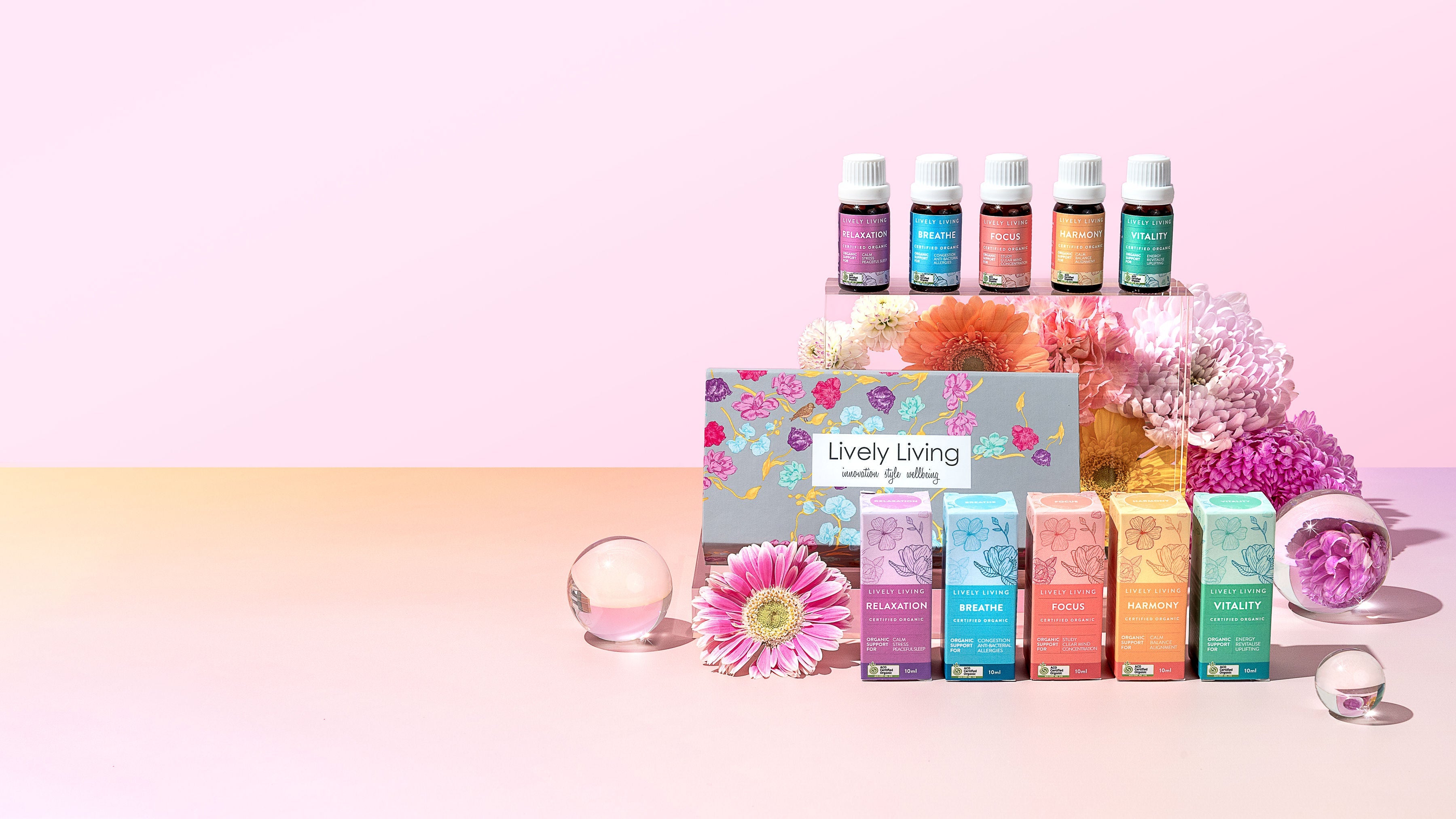
Our certified organic Breathe blend, with Eucalyptus globulus, is a fresh, clearing choice for adults. For the whole family, our Winter Rescue blend is a favourite in the cooler months.
What about oregano and clove? These strong "hot" oils can irritate the skin and airways, so we don't recommend them for congestion, and never around children.

How to use essential oils for congestion
Diffuse
An ultrasonic diffuser adds a fine, cool mist to the air along with the scent, which is lovely in a dry bedroom. Add 3 to 6 drops, diffuse for 30 to 60 minutes in a ventilated room and take breaks.
Try this evening blend: 3 drops Eucalyptus radiata, 2 drops lavender and 1 drop frankincense.
Steam
Add 1 to 2 drops to a bowl of hot (not boiling) water, close your eyes and breathe the steam for a few minutes. Take care with hot water, and don't use steam bowls with children. A warm shower works well too.
Chest rub
Never apply essential oils undiluted. For adults, mix 1 to 2 drops with a teaspoon (5ml) of carrier oil, patch test first, and massage onto your chest or the back of your neck. Keep oils away from your eyes and the inside of your nose. Our DIY roller and carrier oil pack makes it easy.
Other ways to ease congestion
Step 1. Rinse with saline. A saline nasal spray or rinse washes out mucus and irritants. Ask your pharmacist which suits you.
Step 2. Keep the air moist with a cool mist humidifier, especially overnight. Our guide does a humidifier help with a snotty nose? explains how.
Step 3. Drink plenty of fluids and rest.
Step 4. Use a warm compress over your nose and cheeks.
Step 5. Sleep with an extra pillow (adults only; babies must always sleep flat on their back).
If hay fever is behind your congestion, our guide to essential oils for hay fever has more ideas.
Safety first
- Never swallow essential oils. If an oil is swallowed, call the Poisons Information Centre on 13 11 26.
- Always dilute oils before putting them on skin, and patch test first.
- Peppermint, rosemary and stronger eucalyptus oils aren't suitable around babies and young children. For little ones with a stuffy nose, see our guide to essential oils for kids.
- If you're pregnant, breastfeeding or have asthma or another health condition, check with your GP before using essential oils.
- Keep oils out of reach of children and pets.
See your GP if your congestion lasts more than 10 days, keeps coming back, or comes with a high fever, severe facial pain or swelling around the eyes. For more, read our essential oil safety guide.
Frequently asked questions
What is the best essential oil for sinus congestion?
Eucalyptus is the most popular choice for its fresh, clearing scent, followed by peppermint (adults only) and tea tree. Lavender is a lovely addition at night.
Is frankincense good for sinuses?
Frankincense won't treat sinus problems, but its warm, grounding scent is a popular choice for slow breathing and rest when you're feeling stuffy.
How can I clear my sinuses fast?
A saline spray or rinse, steam from a warm shower, a warm compress and plenty of fluids are the simplest options. Your pharmacist can recommend other products if you need them.
Does eucalyptus open sinuses?
Eucalyptus won't treat sinusitis, but its cineole-rich scent creates a feeling of clearer breathing, which is why it's been a favourite in steam and chest rubs for generations.
The bottom line
A stuffy head usually passes within a week or so. In the meantime, saline, steam, fluids and rest do the heavy lifting, and a few drops of eucalyptus or lavender in your diffuser can make the wait a little more comfortable.
Related reading
- Essential oils for a sore throat
- Essential oils for hay fever
- Eucalyptus essential oil: benefits, uses and why we choose radiata
- Essential oils for kids: gentle ideas for stuffy noses and better sleep
Yours in health and happiness
Julie and the Lively Living team


